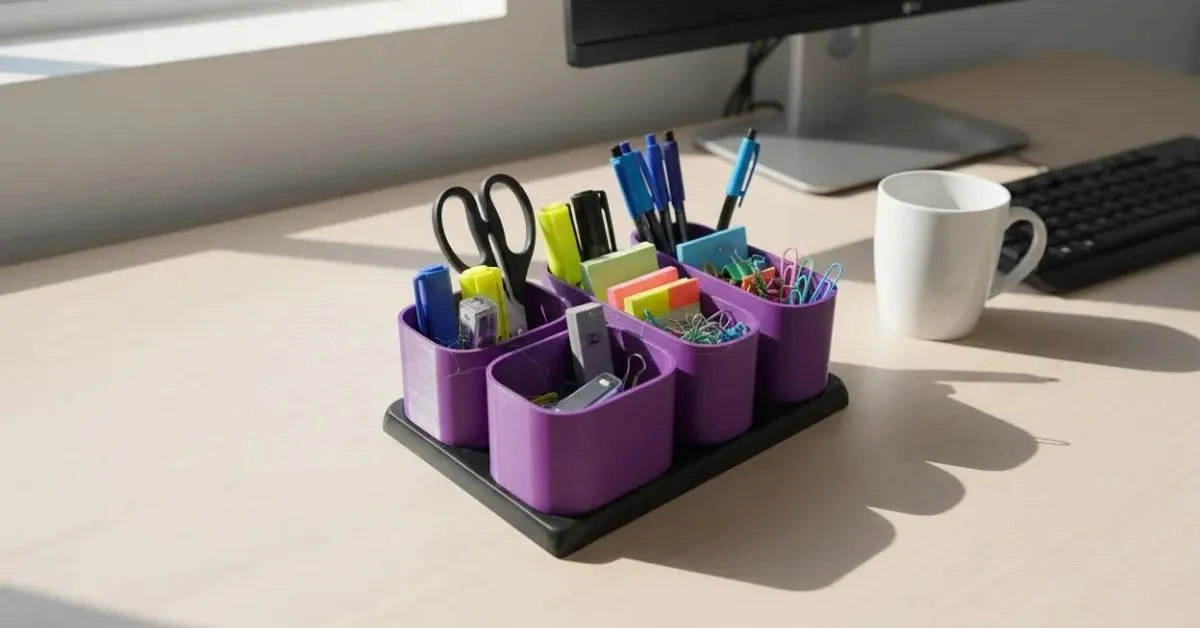
15 Practical 3D-Printed Organizers You Can Make and Sell

Open a junk drawer or a craft room closet and you’ll see the same thing. Stuff piles up (nothing has a home) and people spend more time looking than using. If you own a 3D printer, that’s your opening.
Organizers are easy to customize and almost every household needs a few. People buy them for the kitchen, the desk, the workshop, and the hobby room, then come back and buy one as a gift. Here are 15 ideas worth putting in your shop.
Key Takeaways
- 15 organizer ideas you can print at home and sell
- Every idea includes time, cost, selling price, and profit potential
- Tips for pricing, packaging, and finding buyers
Note: Cost, making time, selling price, and profit figures are estimates for informational purposes only. Actual costs, prices, profits, and results may vary depending on materials, location, labor, demand, competition, selling platform fees, and other business expenses.
1. Nail Polish Organizer
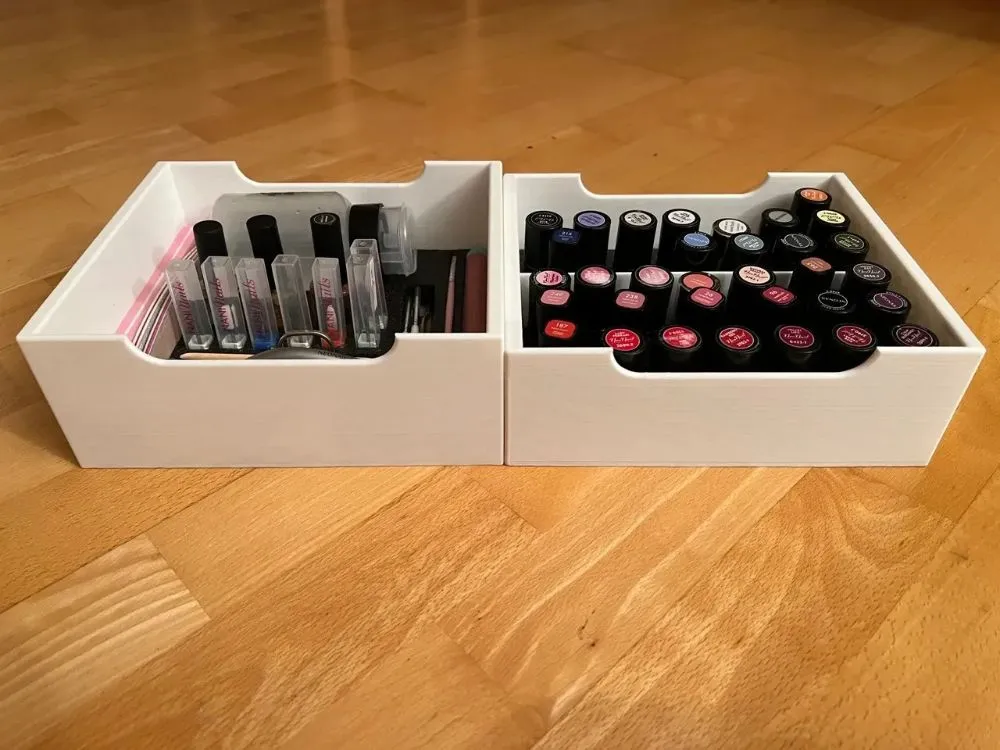
Gel polish collections get out of hand fast. Thirty bottles turn into fifty, and then you’re emptying a whole drawer just to find one red. Two open-front boxes with slanted slots fix that, one for polish and one for tools.
You can make:
- Polish boxes with tilted rows so every cap color shows
- Tool boxes for files and cuticle sticks
- Sizes that slide into standard drawers and shelf cubes
- Small 8-bottle starter boxes for beginners
- Custom slot sizes for dip powder jars or taller bottles
Time to Make: 6 to 10 hours
Estimated Cost Per Item: $2.50 to $5
Estimated Selling Price: $18 to $35
Profit Potential: High
Photograph it full. A box packed with colorful bottles looks great and an empty one looks like a plastic tub.
2. Pill Organizer
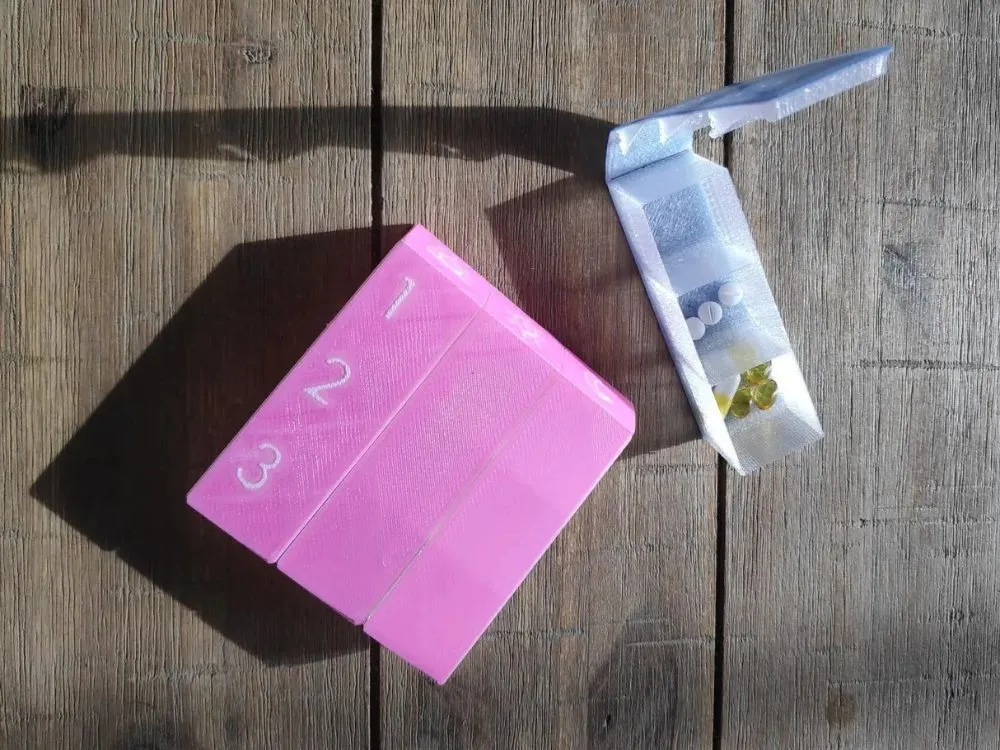
Drugstore pill boxes crack and the lids pop open in your bag at the worst time. A printed one with thicker walls and a tight snap holds up better. People also like that it doesn’t look so medical.
You can make:
- Three-slot boxes with raised numbers on the lid
- Flip-top pocket cases for a day’s worth of vitamins
- Large-print or raised-letter versions for older users
- Travel sizes that fit in a pocket or key pouch
Time to Make: 1 to 3 hours
Estimated Cost Per Item: $0.50 to $1.50
Estimated Selling Price: $6 to $15
Profit Potential: Medium to high
Skip the health claims. Call it a vitamin and supplement organizer and leave it there. Open and close the hinge a few dozen times before you list it because that’s the first part to fail.
3. Kitchen Utensil and Brush Caddy
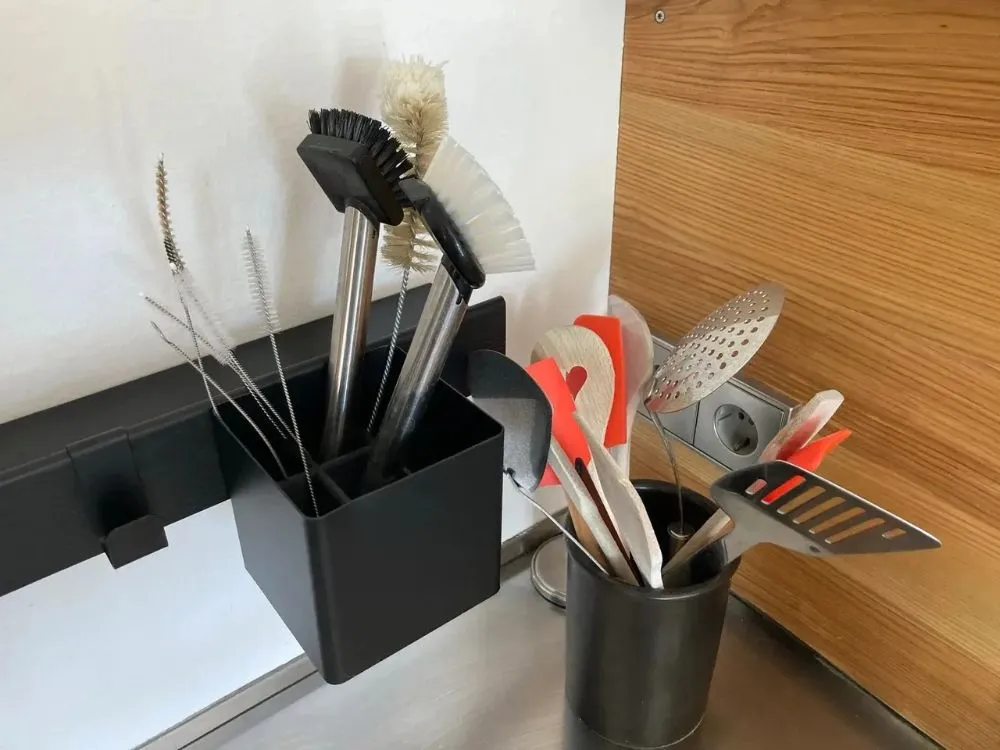
Every kitchen has that one cluttered corner. Spatulas leaning on a mug, a dish brush sitting in a puddle. A caddy gives all of it a home, and the hanging kind gets it off the counter completely.
You can make:
- Tall holders for spatulas and wooden spoons
- Divided cups that keep brushes away from utensils
- Hanging caddies that hook onto a wall rail
- Slim holders for straw brushes and bottle cleaners
- Matte black or white to blend in with most kitchens
- Oversized versions for whisks and tongs
Time to Make: 3 to 6 hours
Estimated Cost Per Item: $1.50 to $3.50
Estimated Selling Price: $14 to $28
Profit Potential: Medium to high
Add a few drain holes to the bottom of anything meant for wet brushes. Without them, water sits there, the caddy gets funky and you get a bad review.
4. Key and Wallet Organizer
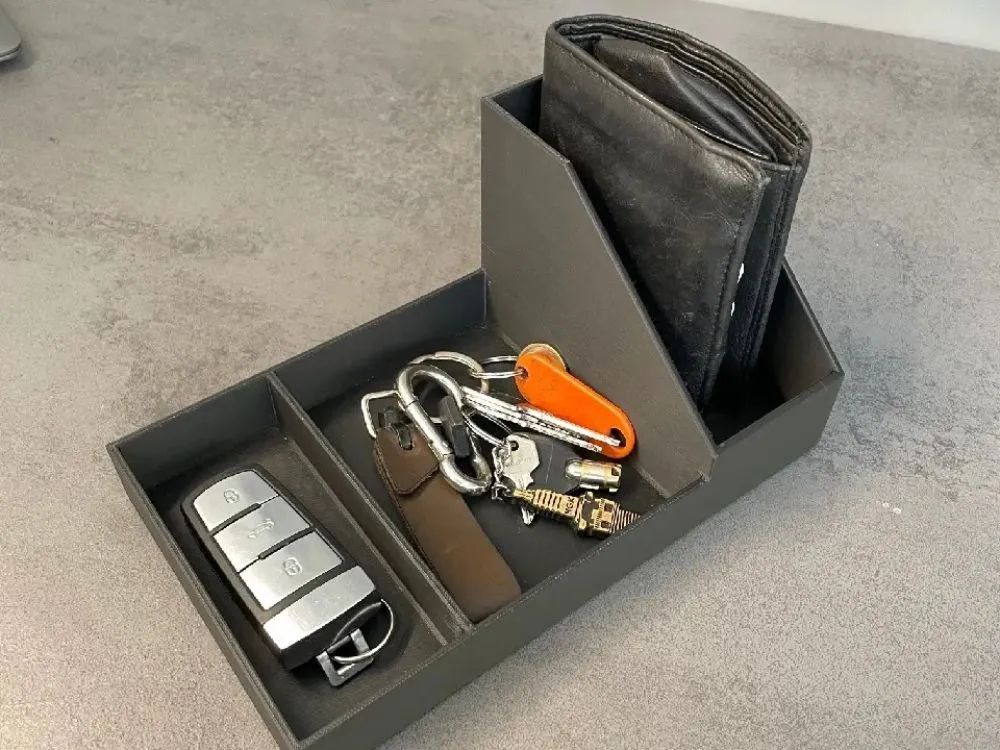
Most people have a spot by the door where keys and wallets land, and it’s usually a pile. A tray with a few sections turns the pile into something neat. It’s also one of the easiest organizers to sell as a gift.
You can make:
- Trays with sections for keys and loose change
- An upright slot for a wallet or phone
- Narrow versions for skinny entry tables
- Nightstand versions with room for a watch and rings
Time to Make: 4 to 7 hours
Estimated Cost Per Item: $2 to $4
Estimated Selling Price: $16 to $30
Profit Potential: High
Dads, grads, and new homeowners are your buyers. List these about a month before Father’s Day and lead with the keys-and-wallet photo.
5. Hexagon Wall Shelf Organizer
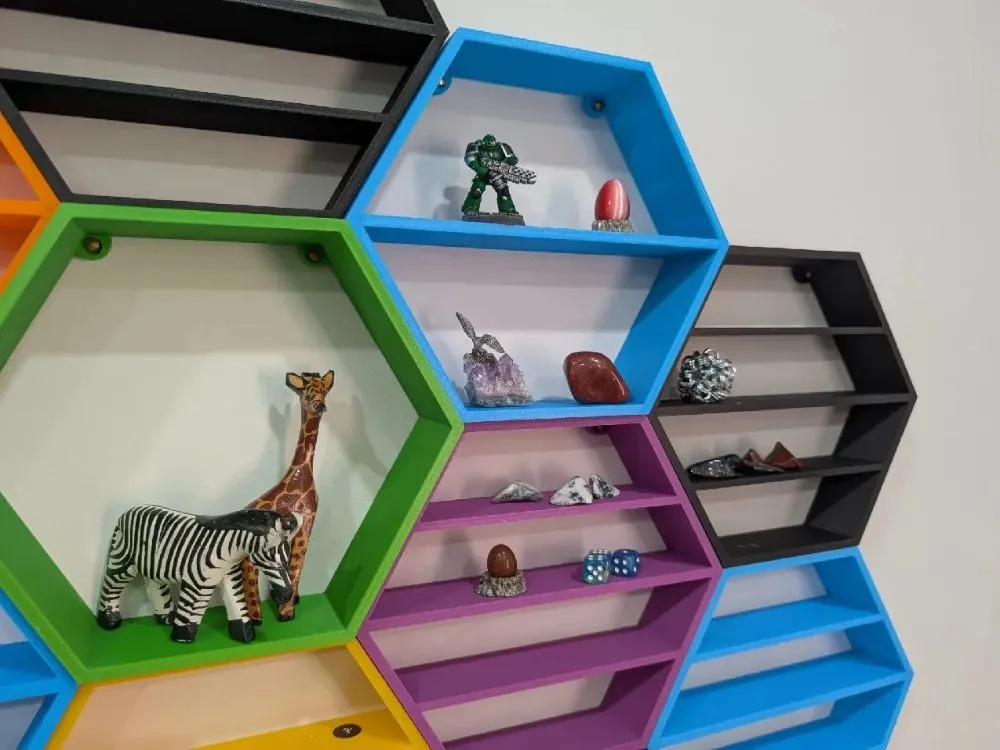
Honeycomb shelves look expensive but it’s really just one shape repeated. Each piece sits right next to the last, so buyers can start with three and keep adding until the wall is full.
You can make:
- Single hexagons with one deep opening
- Multi-ledge versions for tiny collectibles like dice and crystals
- Starter packs of 3, 5, and 7
- Mixed-color sets in bright rainbow shades
- Kids’ room versions for toy figures
- Slim shelves for essential oils and mini bottles
Time to Make: 4 to 8 hours per piece
Estimated Cost Per Item: $1.50 to $4 per piece
Estimated Selling Price: $12 to $25 per piece
Profit Potential: High
Sell them in sets. One hexagon alone looks like a lonely shelf. Put a finished wall in your listing photos, loaded with figures and rocks, and buyers start picturing their own.
6. Paper Desk Organizer
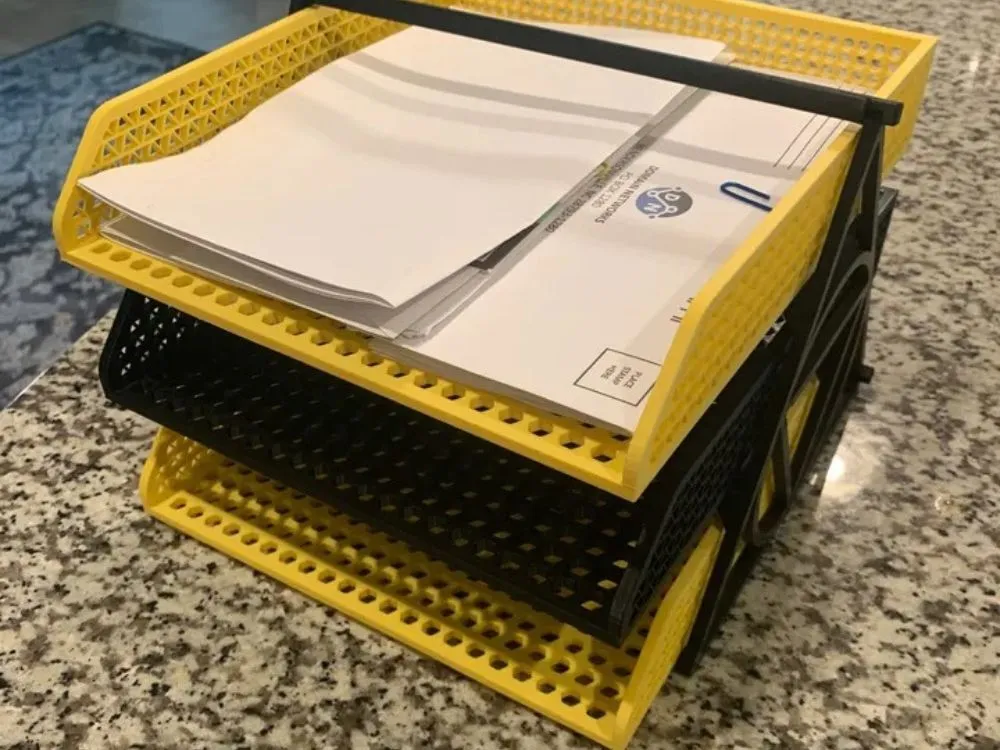
Mail, school forms, bills, work papers. They all land on the same corner of the desk. A stacking letter tray gives each pile its own level and a colorful printed one beats the gray plastic kind from the office store.
You can make:
- Three-tier trays with open fronts
- Single trays that stack as the paper pile grows
- Lattice patterns that save plastic
- Upright holders for folders and notebooks
- A matching pen cup to round out a home office set
Time to Make: 12 to 20 hours
Estimated Cost Per Item: $4 to $9
Estimated Selling Price: $28 to $55
Profit Potential: Medium to high
These are big prints that eat a lot of hours, so don’t sell them cheap. Lattice walls help because they cut print time and filament and still look good.
7. Pen and Desk Supply Organizer
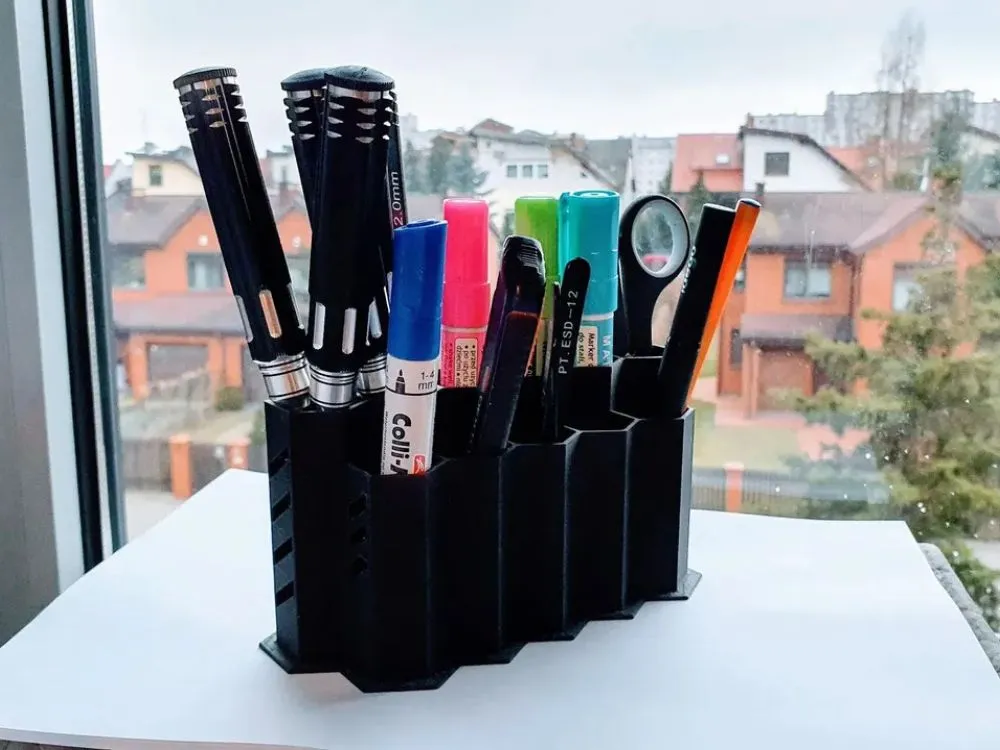
Desk drawers eat pens. Markers dry out and the good scissors are never where you left them. A holder with slots in different sizes keeps everything within arm’s reach.
You can make:
- Hexagon-cell holders with a mix of tall and short slots
- Deep slots for markers and paintbrushes
- Shallow slots for tweezers, scissors, and small tools
- A version sized for makeup brushes
- A craft desk version with room for hobby knives
- Classroom sets that teachers can order in bulk
Time to Make: 3 to 6 hours
Estimated Cost Per Item: $1.50 to $3
Estimated Selling Price: $12 to $24
Profit Potential: Medium to high
The same holder sells to office workers, artists, makeup fans, and model builders. Write a separate listing for each group with a photo of it filled with their stuff.
8. AA and AAA Battery Organizer
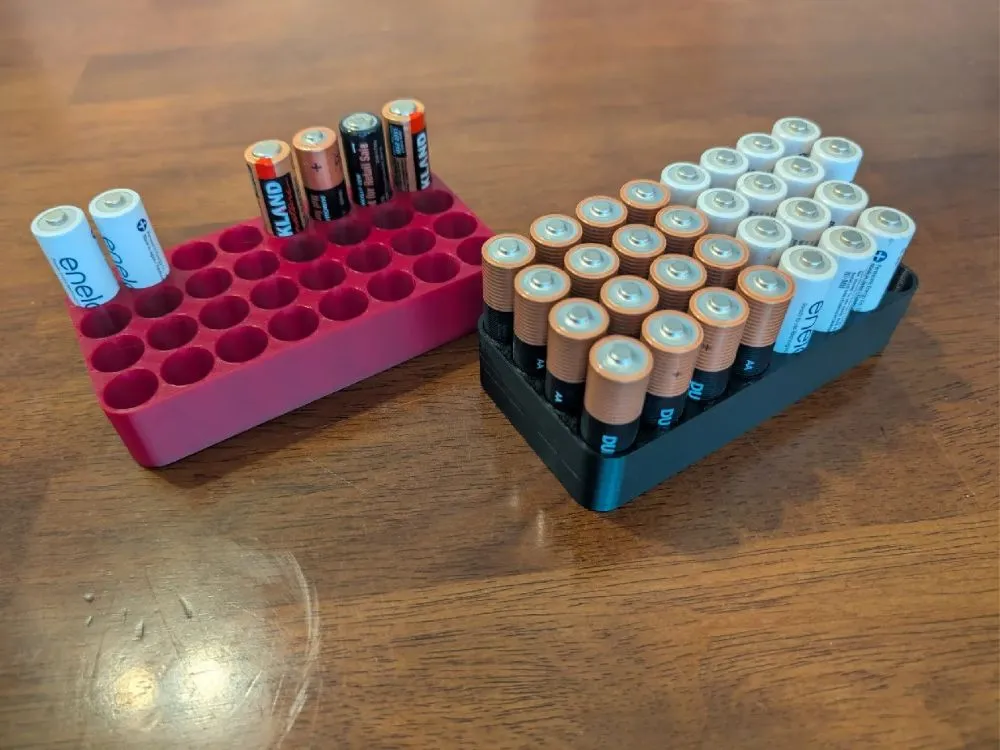
Open any junk drawer and you’ll find loose batteries and no clue which ones still work. A tray with one hole per battery fixes that, and you can see at a glance how many you have left.
You can make:
- Trays that hold 30 or more AA batteries
- Separate trays for AAA, C, and 9-volt batteries
- Split trays with a good side and a dead side
- Wall-mounted versions for the garage or workshop
- Small travel trays for camera gear
- Color-coded versions by battery size
Time to Make: 3 to 5 hours
Estimated Cost Per Item: $1.50 to $3
Estimated Selling Price: $12 to $22
Profit Potential: Medium to high
Batteries vary a little between brands and rechargeables run a bit fatter. Test with a few types so your slots don’t end up too tight or too loose.
9. USB Cable Organizer
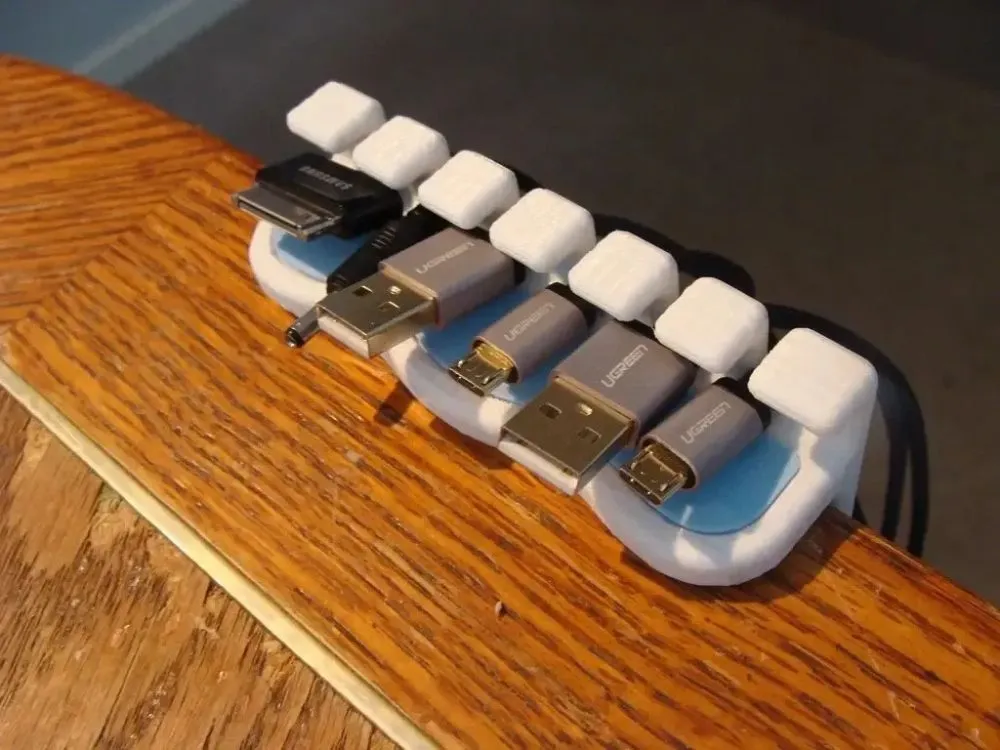
Charging cables slide off the desk all day and then they’re down behind the furniture. A small clip holds the ends in place so you can grab one without looking.
You can make:
- Desk-edge clips for five to seven cables
- Sticky-back versions for nightstands and counters
- Slim bases for charging stations
- Wide slots for chunky adapters
- Different colors so everyone in the house claims their own
Time to Make: 1 to 2 hours
Estimated Cost Per Item: $0.40 to $1
Estimated Selling Price: $6 to $14
Profit Potential: Medium to high
These are cheap and quick, which makes them a good add-on. Offer three for a little less than three singles and watch the order size creep up.
10. Sewing Thread Spool Organizer
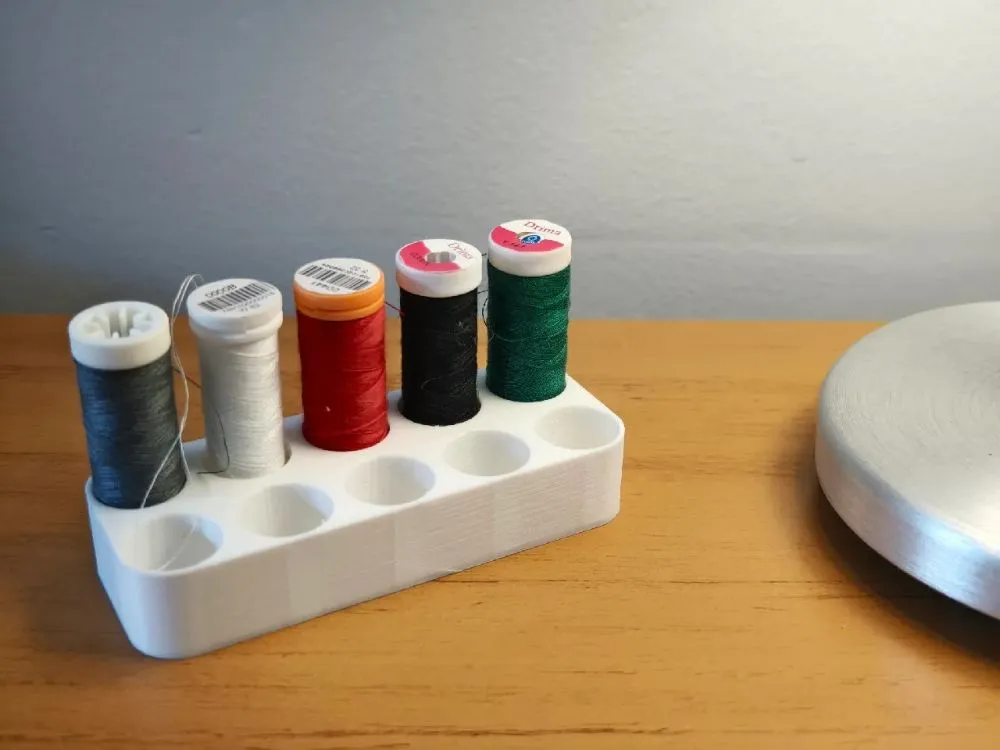
Thread tangles or rolls off tables and disappears. A stand with one slot per spool keeps the colors in view and keeps loose ends from snagging on each other.
You can make:
- Five-slot and ten-slot stands
- Wider holes for cones and large spools
- Wall-mounted versions for craft rooms
- Combo stands with slots for needles
- Bobbin holders
- Starter sets for beginner sewers and quilters
Time to Make: 2 to 4 hours
Estimated Cost Per Item: $1 to $2.50
Estimated Selling Price: $10 to $20
Profit Potential: Medium to high
Online sewing and quilting groups are loyal and chatty. Post a photo of the stand loaded with colorful thread and you’ll hear back fast.
11. Coin Organizer
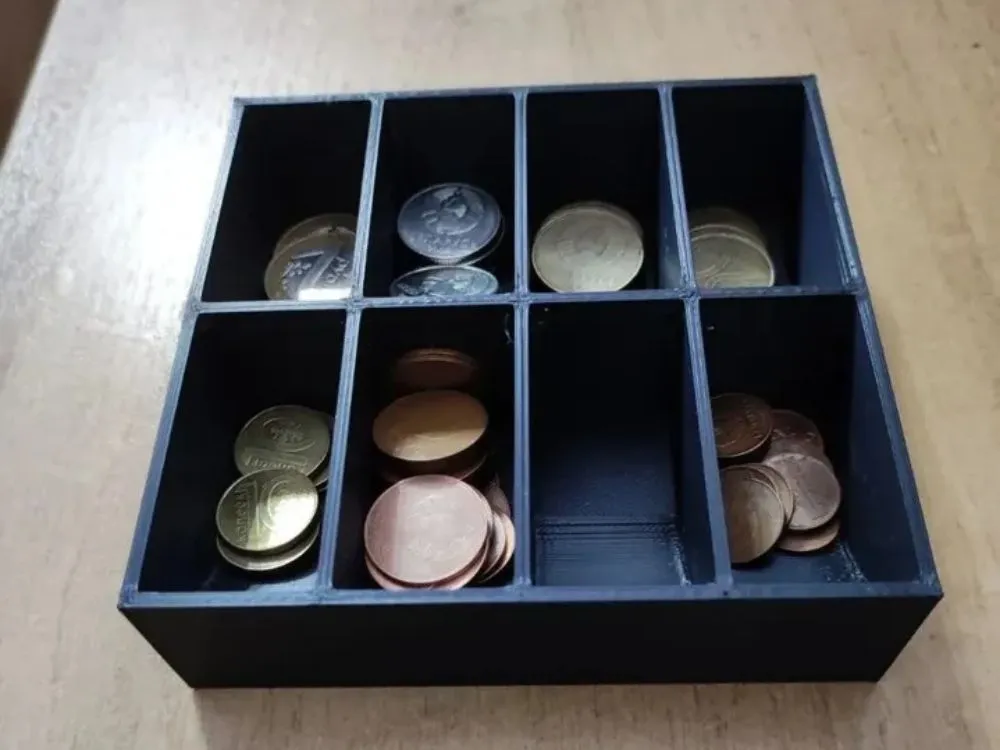
Loose change ends up in jars and couch cushions. A sorting tray makes it easy to separate coins and count them when it’s finally time to roll.
You can make:
- Eight-compartment trays sized for US coins
- Stackable trays for big collections
- Sliding lids that keep coins from spilling
- Counter trays for coffee shops and market vendors
- Collector trays for foreign coins
Time to Make: 3 to 5 hours
Estimated Cost Per Item: $1.50 to $3
Estimated Selling Price: $12 to $24
Profit Potential: Medium to high
Measure real quarters, nickels, dimes, and pennies before you finalize the slots. Small vendors who keep a cash box are an easy audience, so stop by a farmers market and ask.
12. Food Container Lid Organizer
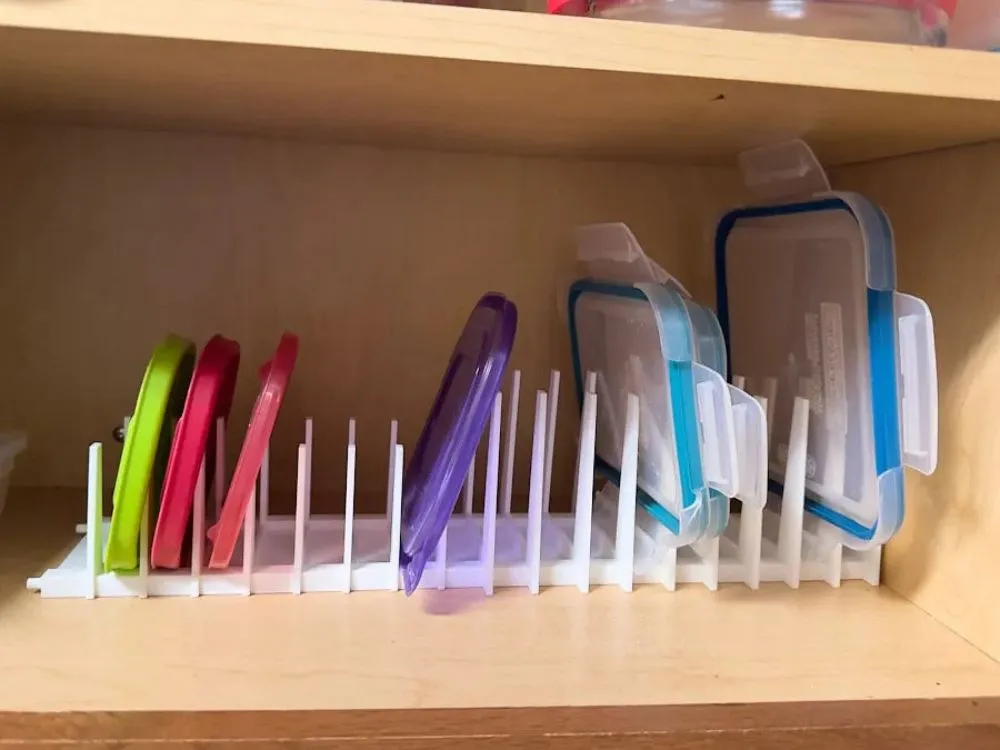
Every kitchen has a lid cabinet nobody wants to open. The containers stack neatly but the lids slide everywhere. A rack that holds each lid upright in its own slot ends the avalanche.
You can make:
- Adjustable racks with slots for different lid sizes
- Wide slots for thick snap-lock lids
- Narrow slots for thin round lids
- Cabinet-fit sizes for standard shelves
- Add-on sections that connect to extend the rack
- Housewarming gifts for new homeowners and college students
Time to Make: 5 to 9 hours
Estimated Cost Per Item: $2 to $4
Estimated Selling Price: $16 to $30
Profit Potential: High
Before and after photos work great here. A messy cabinet next to a neat one tells the whole story and Pinterest users save those like crazy.
13. Earring Organizer
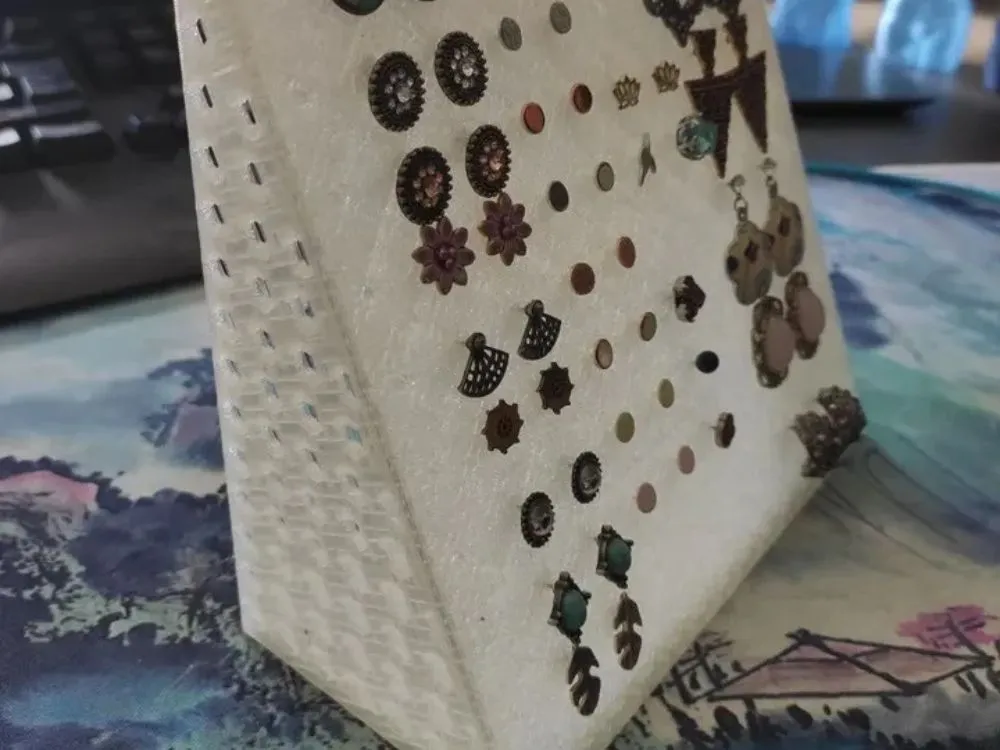
Earrings get lost and separated from their mates. An angled stand with a hole for each one keeps pairs together and the whole collection easy to see.
You can make:
- Angled stands with small holes for studs
- Larger holes and slots for drop earrings
- Tabletop displays for craft fair vendors
- Compact travel versions that fit in a drawer
Time to Make: 3 to 6 hours
Estimated Cost Per Item: $1.50 to $3.50
Estimated Selling Price: $14 to $28
Profit Potential: High
Most of the handmade jewelry sellers need display stands, so it’s better if you reach out to them directly. Don’t just aim at gift shoppers.
14. Screw and Hardware Organizer
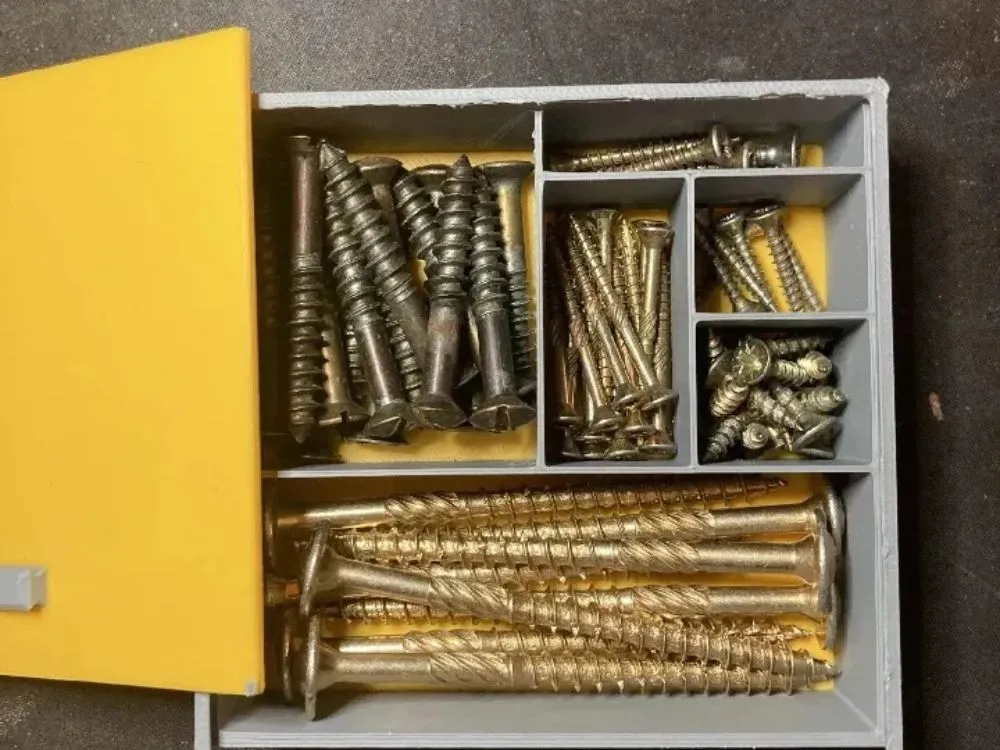
Most garages have a coffee can full of mixed screws that nobody wants to dig through. A box with different-sized compartments gives each type its own spot.
You can make:
- Divided boxes with a mix of large and small compartments
- Sliding lids that keep screws from spilling
- Stackable boxes for drawers and shelves
- Compartments sized for nails, bolts, and washers
- Magnetic-base versions for metal workbenches
- Gifts for DIYers and new homeowners
Time to Make: 3 to 6 hours
Estimated Cost Per Item: $1.50 to $3.50
Estimated Selling Price: $12 to $26
Profit Potential: Medium to high
DIY dads are loyal buyers, so aim at Father’s Day. Print a lid with a flat spot for a label, so buyers can write what’s inside.
15. Screwdriver Organizer
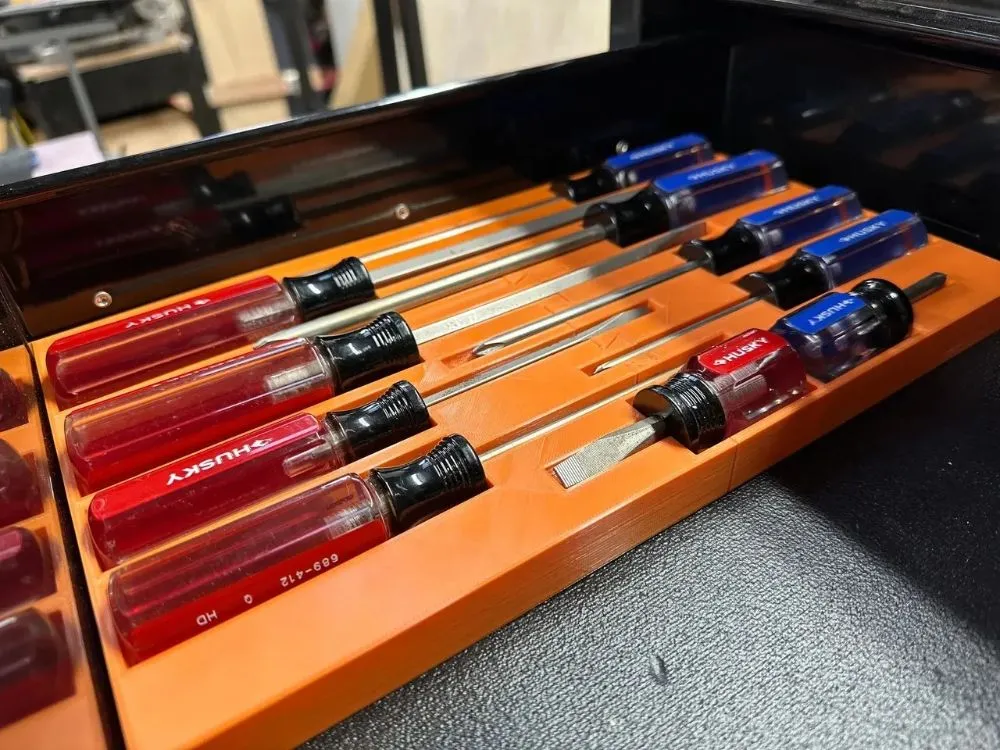
Screwdrivers vanish into toolboxes and drawers. A fitted tray with a slot for each one makes it obvious right away which one is missing.
You can make:
- Drawer trays sized for standard screwdriver sets
- Wall-mounted racks for pegboards and workbenches
- Custom fits for popular tool sets
- Matching trays for pliers, wrenches, and sockets
Time to Make: 5 to 10 hours
Estimated Cost Per Item: $3 to $6
Estimated Selling Price: $20 to $40
Profit Potential: Medium to high
Offer custom fits. Plenty of buyers will pay extra for a tray made for their exact tool set and it’s an easy way to charge more than a generic one.
Where to Find Buyers for Your 3D-Printed Organizers
Every organizer on this list has a built-in audience, which is the real advantage here. You don’t have to convince people they’re messy. You just have to find the ones who already know it and put a fix in front of them.
Here are some buyers worth going after:
- Nail techs and small salon owners, who go through polish boxes and tool trays in bulk and will happily reorder
- Local sewing and quilting shops, which often take handmade thread stands and bobbin holders on consignment
- Hardware stores and tool shops, where a screwdriver tray or screw box can sit right next to what it holds
- Real estate agents, who hand out key trays and lid racks as closing gifts and tend to order a batch at a time
- Professional home organizers, who are always hunting for products to use in client kitchens and closets
- College students and their parents, especially in August, when lid racks, USB holders and desk trays are on every dorm list
- Teachers, who buy pen holders and paper trays for the classroom, often out of their own pocket
- Small boutiques and gift shops that want something local and handmade on the shelf
- Coffee shops and market vendors who need a coin tray by the register
- Anyone with an odd collection, since a custom-fit tray for their exact tools or earrings is where you can charge the most
Wrapping Up
Organizers are a solid product to build a shop around. They solve a real problem and they come in endless sizes. Once someone gets one organizer working, they usually want a few more. Pick a few from this list and print a test batch to see which ones your buyers go for.
FAQs
Q1: What is the best material for 3D-printed organizers?
PLA works well for most organizers. It’s easy to print and holds its shape on a shelf or desk. For anything that might sit in a hot car or in a warm kitchen, PETG handles heat better.
Q2: How do I size an organizer for what it needs to hold?
Measure the real items, then add a little extra room. A good starting point is about 1 to 2 millimeters of clearance and then run a small test print before you do the full piece. Batteries, coins, and spools are all slightly different between brands, so test with a few before you list.
Explore Related Posts
https://smarttoolsai.com/post/3d-printed-kitchen-items-you-can-make-and-sell
https://smarttoolsai.com/post/3d-printed-keychains-you-can-make-and-sell
https://smarttoolsai.com/post/3d-printed-christmas-ornaments-and-decorations