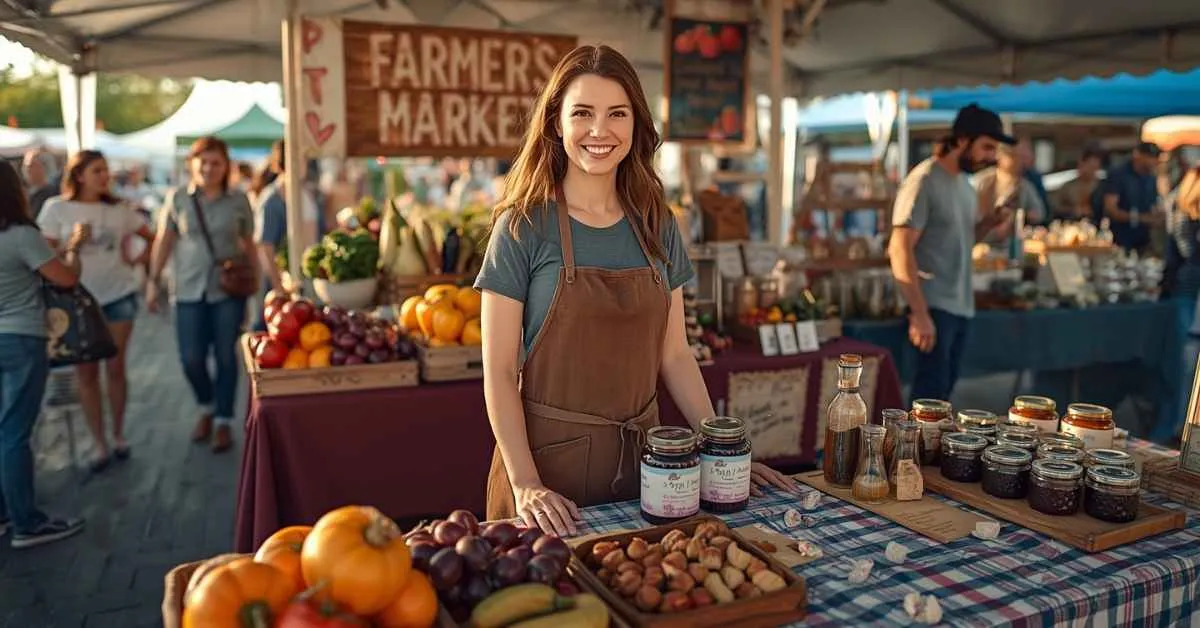
13 Profitable Things to Sell at Farmers Markets That Customers Love
.webp)
Have you ever thought about making real money at a farmers market? A lot of people do and the ones who stick with it usually started with just one good product idea.
Shoppers at these markets aren't looking for store-bought stuff. They want something fresh and made by a real person. That alone gives you a big advantage over anything sitting on a grocery store shelf.
Key Takeaways
- Find 13 profitable items that you can sell at farmers markets
- Know the time, cost, selling price, and profit potential of each item in this list
- Explore simple ways to boost your sales and pocket more profit
Note: Cost, making time, selling price, and profit figures are estimates for informational purposes only. Actual costs, prices, profits, and results may vary depending on materials, location, labor, demand, competition, market fees, and other business expenses.
1. Fresh Produce
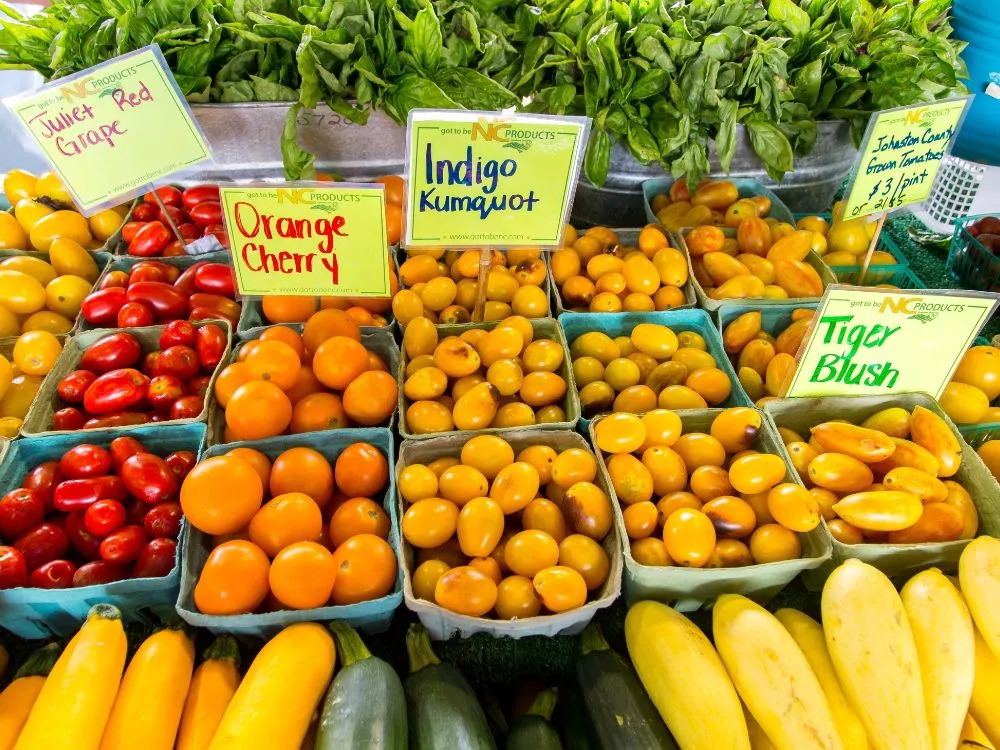
This is usually the first thing people look for at a farmers market. When it comes from a local grower, shoppers trust it a whole lot more than anything wrapped in plastic at a big store.
You can sell:
- Seasonal fruits and vegetables
- Organic or pesticide-free options
- Heirloom varieties most stores never carry
- Herbs and edible flowers
- Bundles or mixed bags for better value
Time to Prepare: Depends on growing season
Estimated Cost Per Item: Low if grown from a homestead
Estimated Selling Price: $2 to $10 per item
Profit Potential: Medium to High
One thing that actually moves product is how you lay it out. People are visual, and a neat display booth sells just as much as the produce itself.
2. Organic Pantry Staples
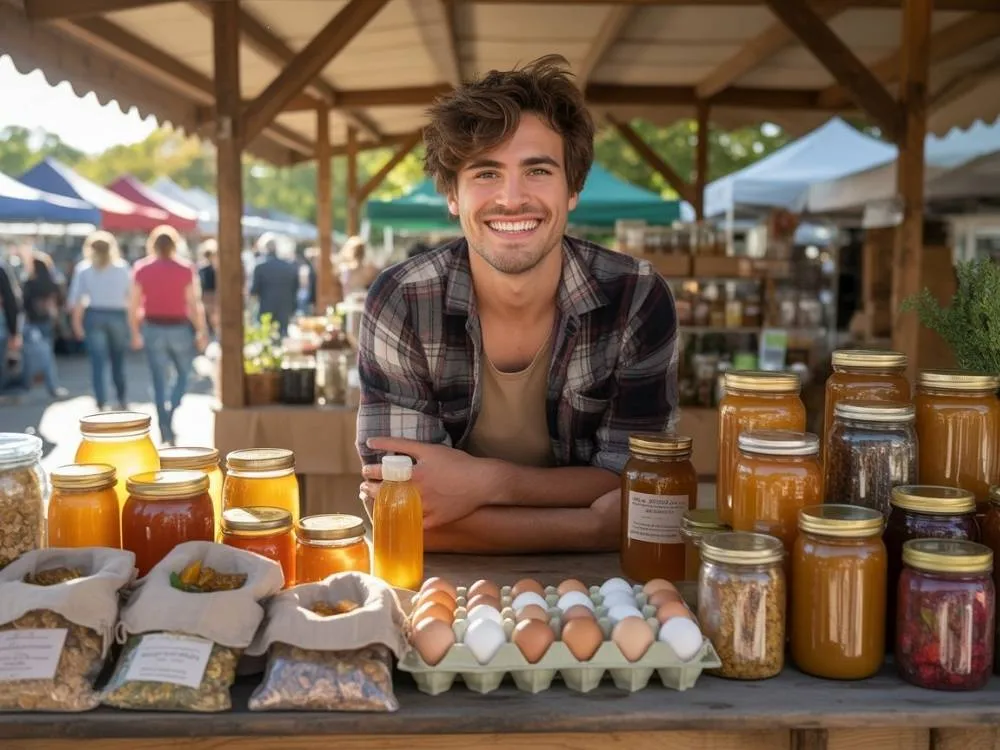
Shoppers today pay a lot more attention to what's in their food, and pantry staples from a local seller just feel more reliable than anything off a supermarket shelf.
You can offer:
- Raw honey from local hives
- Fresh farm eggs
- Homemade granola with no added junk
- Natural peanut butter
Time to Make: 30 minutes to 1 hour per batch
Estimated Cost Per Item: $2 to $6
Estimated Selling Price: $6 to $15
Profit Potential: Low to Medium
What makes pantry staples so great is that people run out and need to restock. Earn their trust once and they'll find your table every single week.
3. Homemade Preserves
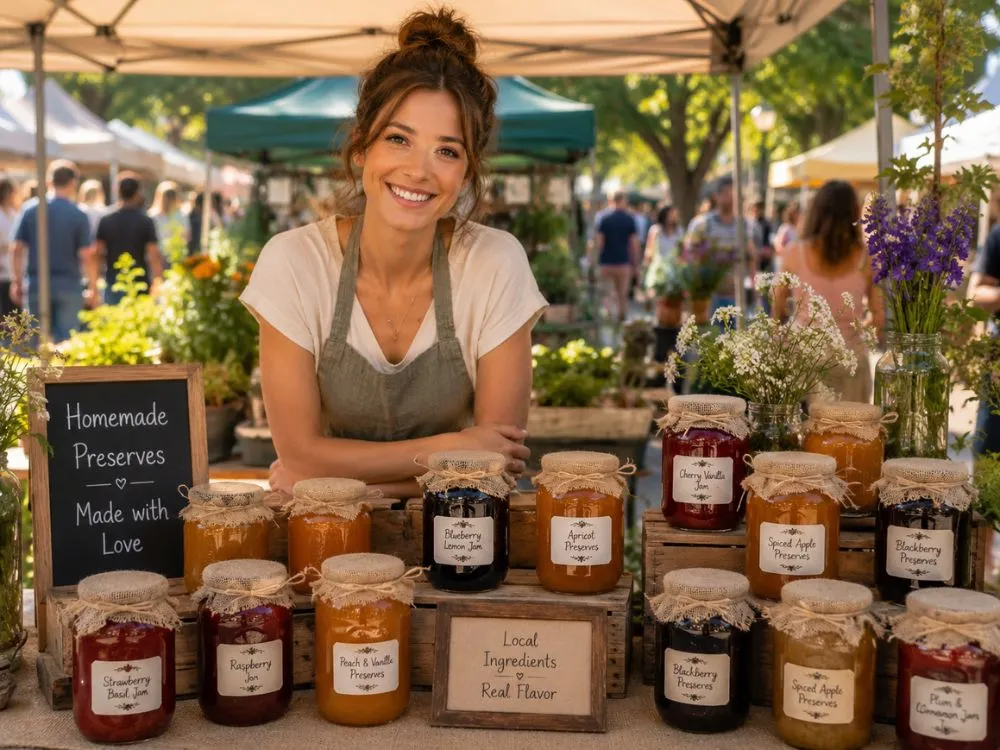
Homemade jams and preserves are absolutely hard to walk past at a farmers market. The colors alone pull people in. Plus, one taste is usually all it takes to make a sale.
You can create:
- Classic fruit jams and jellies
- Marmalades with a fresh citrus kick
- Spicy pepper jelly
- Mixed fruit and herb blends
- Small batch seasonal flavors
- Gift sets with two or three mason jars bundled together
Time to Make: 1 to 2 hours per batch
Estimated Cost Per Item: $2 to $4
Estimated Selling Price: $6 to $12 per jar
Profit Potential: High
A unique flavor goes a long way, but don't sleep on your labels either. A handwritten or well-designed label makes your jar look like something worth buying before the customer even opens it.
4. Ready-to-Eat Food
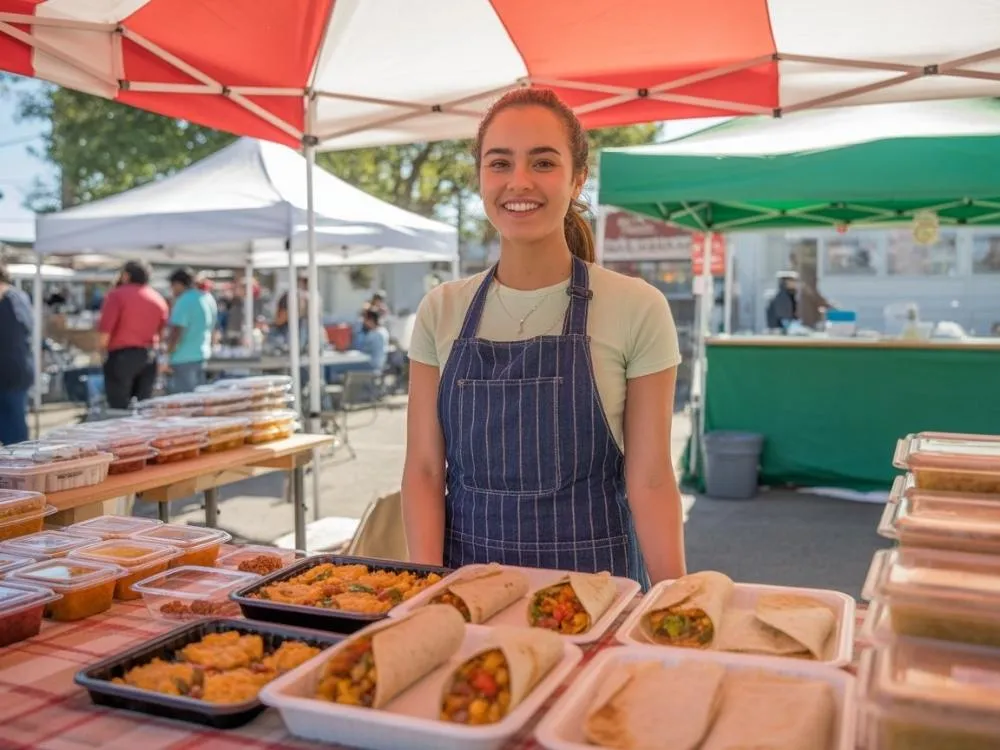
Many people roll into a farmers market without eating breakfast first. If your table has something hot and ready, you are already halfway to a sale.
You can sell:
- Breakfast burritos fresh off the griddle
- Sandwiches made with local ingredients
- Tacos or wraps with homemade toppings
- Baked goods ready to grab and go
Time to Make: Ongoing during market
Estimated Cost Per Item: $2 to $5
Estimated Selling Price: $6 to $12
Profit Potential: Medium to High
Hot food items move fast and the margins are solid. The biggest advantage you have here is smell. A good aroma travels further than any sign you could put up and it does the selling for you before a customer even sees your setup.
5. Dried Foods
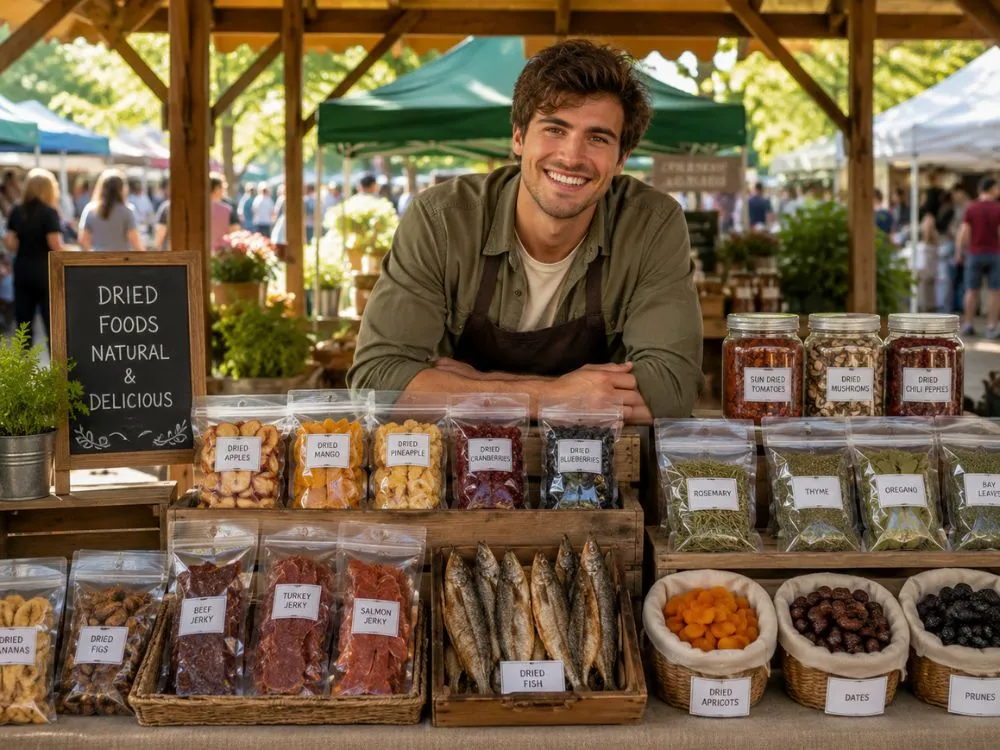
Dried foods might not be the flashiest thing on the table, but they move really well. Customers love that they are easy to carry and still good days after the market.
You can sell:
- Dried fruits like mango and apricot
- Beef or turkey jerky in different flavors
- Trail mix with nuts and dried fruit
- Dried herbs for cooking
- Flavored nuts and roasted seeds
- DIY snack bags or sampler packs
Time to Make: Several hours (drying time)
Estimated Cost Per Item: $2 to $5
Estimated Selling Price: $6 to $15
Profit Potential: High
One big reason these sell well is that people see them as practical. They are grabbing something they can toss in a bag and snack on later in the week.
6. Fresh Drinks
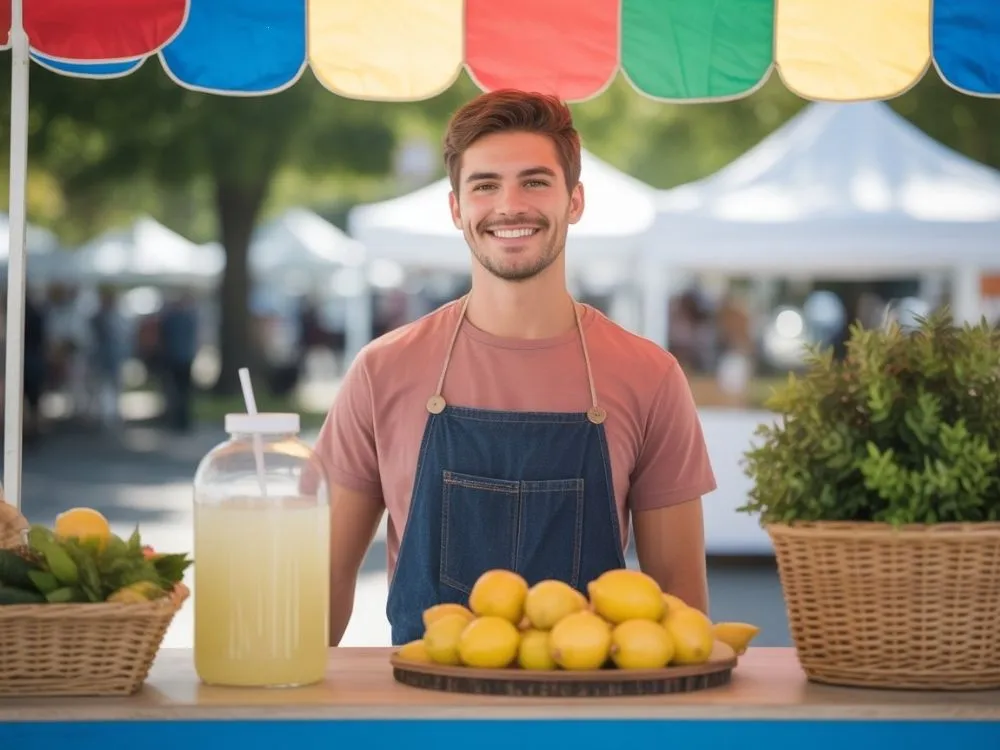
On a warm Saturday morning, a cold fresh drink is one of the easiest things to sell at any farmers market. People are already outside and walking around, and thirst does the work for you.
You can offer:
- Fresh lemonade
- Iced tea with honey or fruit
- Cold-pressed fruit juices
- Smoothies made to order
- Infused water with herbs and citrus
Time to Make: 10 to 15 minutes per batch
Estimated Cost Per Item: $1 to $2
Estimated Selling Price: $4 to $8
Profit Potential: Very High
The margins on drinks are some of the best you'll find at a market. Keep it simple and use fresh ingredients because a basic lemonade made right will outsell a fancy drink menu every single time.
7. Plants and Gardening Items
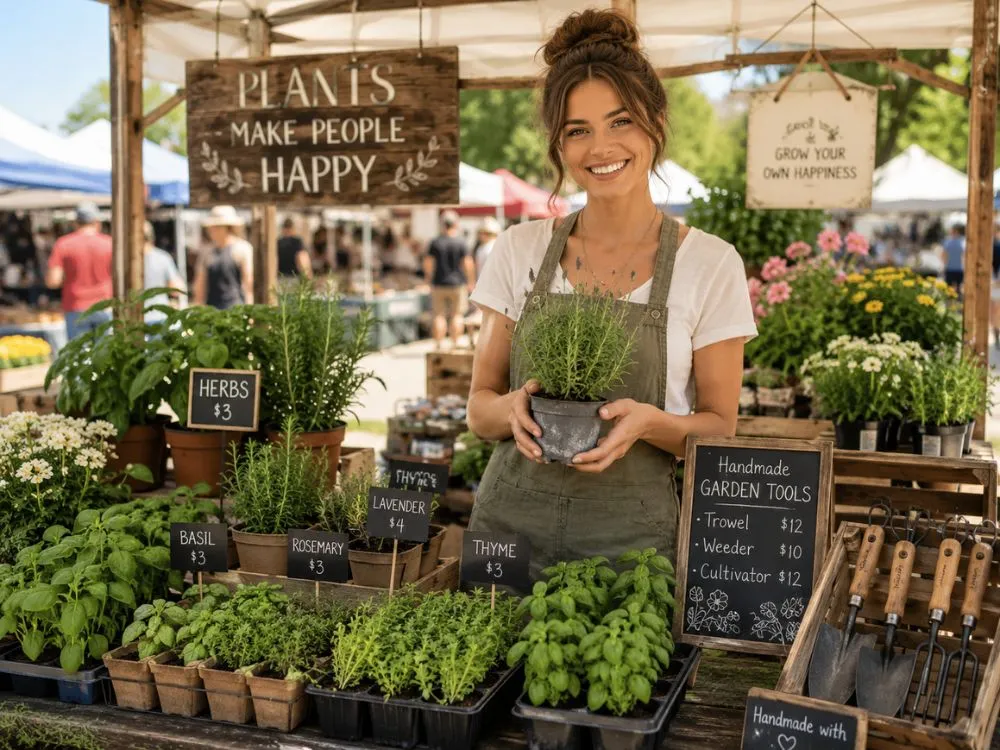
Most shoppers aren't looking for plants when they show up. But a good display table with colorful pots and fresh herbs changes that pretty quickly.
You can offer:
- Herbs like basil and mint
- Small potted plants
- Seedlings
- Garden starter kits
Time to Grow: Days to weeks
Estimated Cost Per Item: $1 to $3
Estimated Selling Price: $5 to $15
Profit Potential: Medium to High
Spring is when this category really takes off. Throw in a simple care tip and customers feel confident enough to buy even if they've never gardened a day in their life.
8. Handmade Crafts
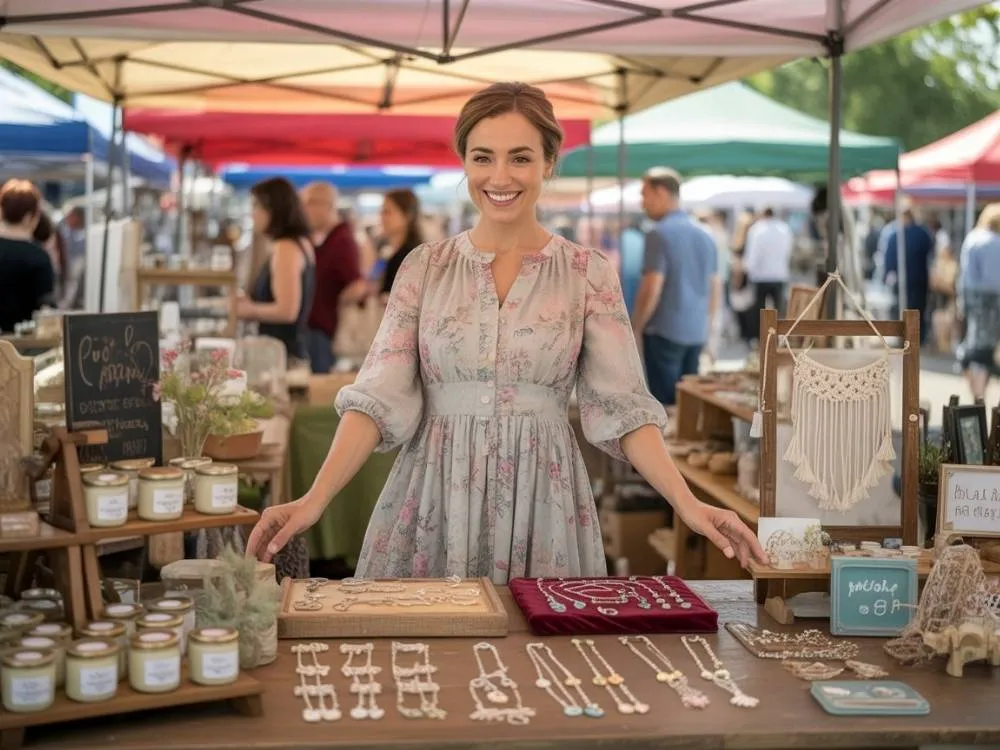
A lot of shoppers come to farmers markets looking for things they can't find anywhere else. Handmade crafts check that box better than almost anything.
You can create:
- Hand-poured candles in seasonal scents
- Homemade soaps with natural ingredients
- Simple handmade jewelry
- Small home decor pieces
- Knitted or crocheted goods
Time to Make: 30 minutes to 2 hours
Estimated Cost Per Item: $2 to $10
Estimated Selling Price: $8 to $25
Profit Potential: High
The crafts that sell best are usually the simplest ones. Nice packaging and a fair price are really all you need to get started.
9. Pet Products
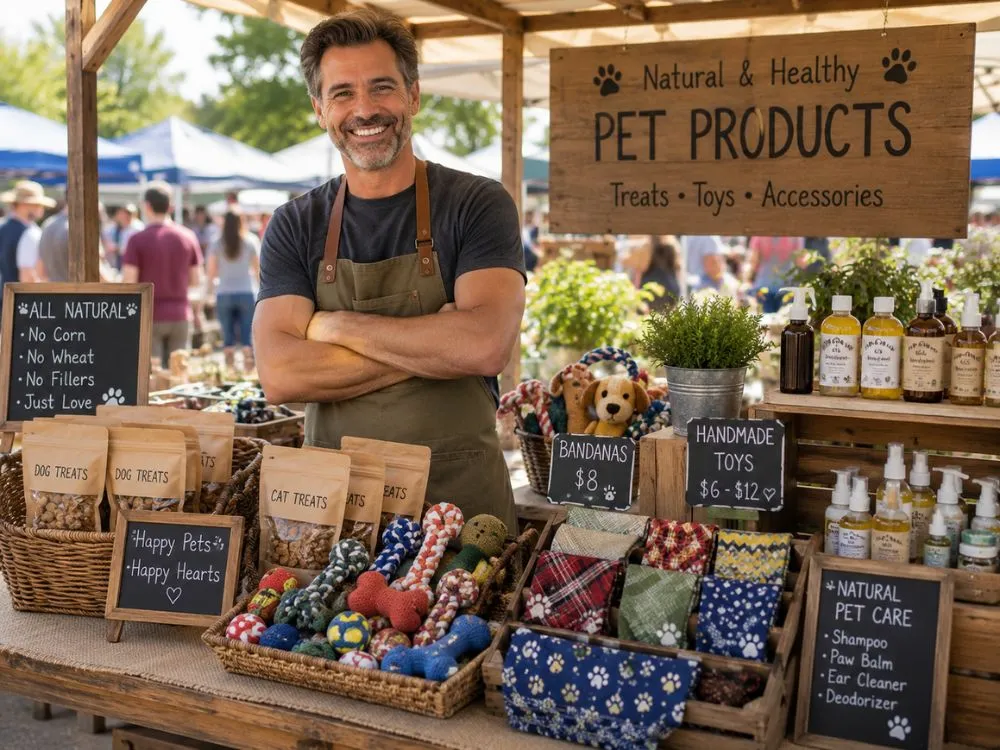
Pet owners don't mess around when it comes to their animals. Offer something natural and homemade for their pets and you've got a customer who will be back every weekend.
You can sell:
- Homemade dog treats
- Cat toys made from natural materials
- Natural grooming products like paw balm
- Bandanas and pet accessories
Time to Make: 30 to 60 minutes per batch
Estimated Cost Per Item: $2 to $5
Estimated Selling Price: $8 to $20
Profit Potential: High
Let people know your treats use clean ingredients and that's usually all the convincing they need.
10. Fermented Foods
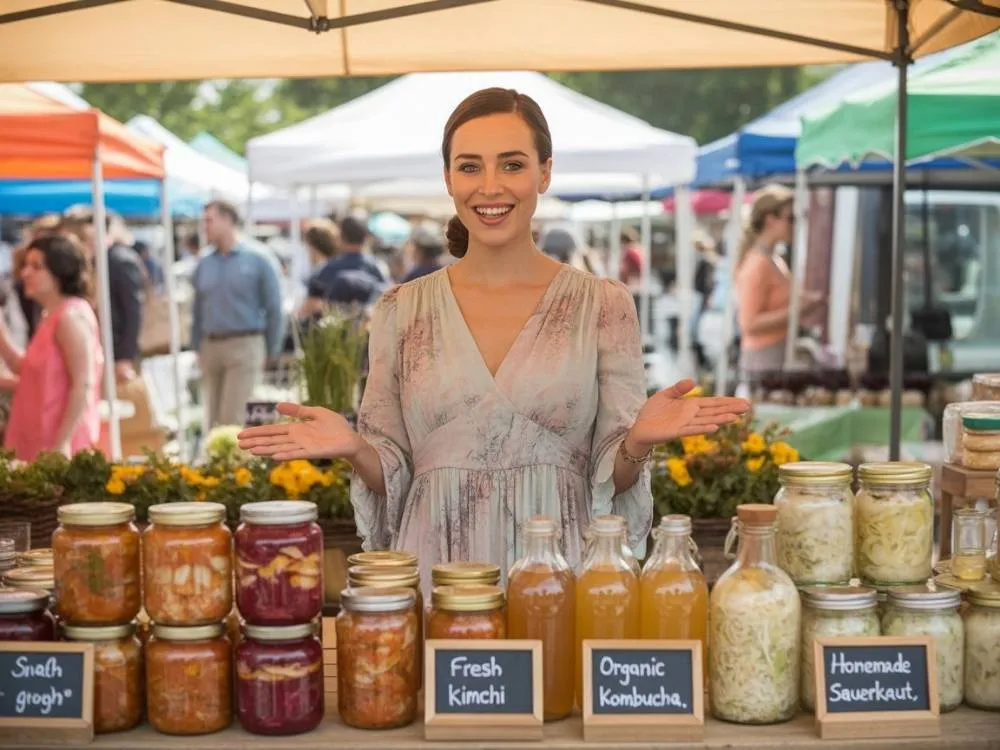
Shoppers are actively seeking out fermented foods these days. They are ready to pay for quality. A local maker with a good product has a real advantage here.
You can offer:
- Homemade kimchi in mild or spicy varieties
- Sauerkraut and red cabbage kraut
- Kombucha in seasonal flavors
- Pickled vegetables like cucumbers and beets
- Fermented hot sauce
Time to Make: Several days (fermentation time)
Estimated Cost Per Item: $2 to $6
Estimated Selling Price: $8 to $18
Profit Potential: High
Most people just need one good taste to get hooked. A small sample cup costs almost nothing but it can turn a curious passerby into a regular customer.
11. Seasonal Items
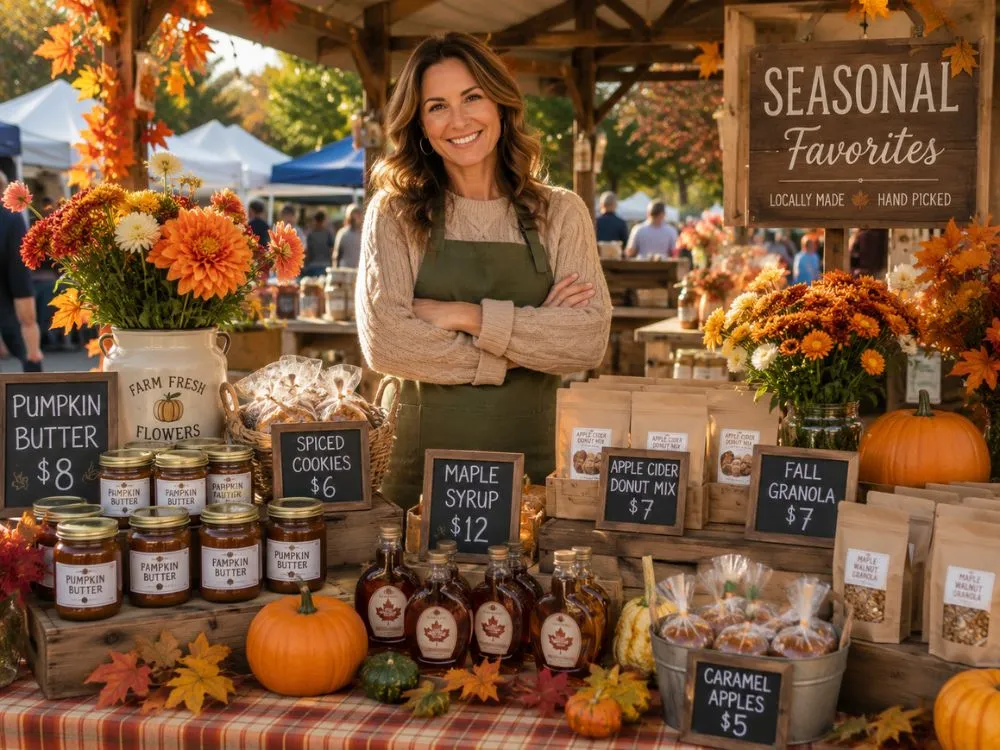
Seasonal products always get attention because they feel limited. Shoppers are much quicker to buy when they know something won't be around for long.
You can sell:
- Pumpkin butter and spiced treats in the fall
- Festive baked goods in winter
- Fresh strawberry and peach specials in summer
- Maple products in early spring
- Seasonal flower bundles tied to the time of year
Time to Make: Varies
Estimated Cost Per Item: $2 to $8
Estimated Selling Price: $8 to $25
Profit Potential: Medium to High
The best part about seasonal selling is that the calendar does the marketing for you. People already associate certain foods and flavors with certain times of year.
12. Gift Bundles
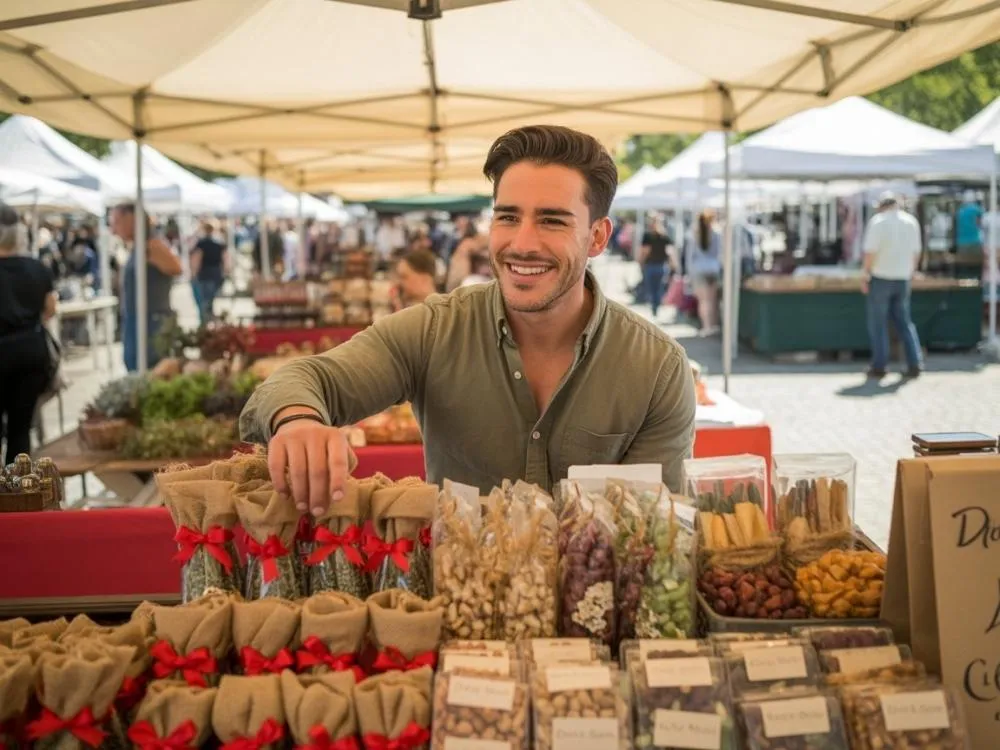
Most people at a farmers market aren't just shopping for themselves. A ready-made gift bundle gives them an easy answer when they need something thoughtful without spending a lot of time figuring it out.
You can create:
- Jam and honey gift sets
- Snack bags with jerky and mixed nuts
- Soap and candle sets
- Tea or coffee with homemade treats
- Local cheese and cracker baskets
- Seasonal holiday bundles
Time to Make: 10 to 20 minutes per bundle
Estimated Cost Per Item: $5 to $15
Estimated Selling Price: $15 to $40
Profit Potential: Very High
Bundles increase your average sale without extra effort. Customers feel like they are getting more value and you end up moving multiple products in a single sale.
13. Health & Wellness Products
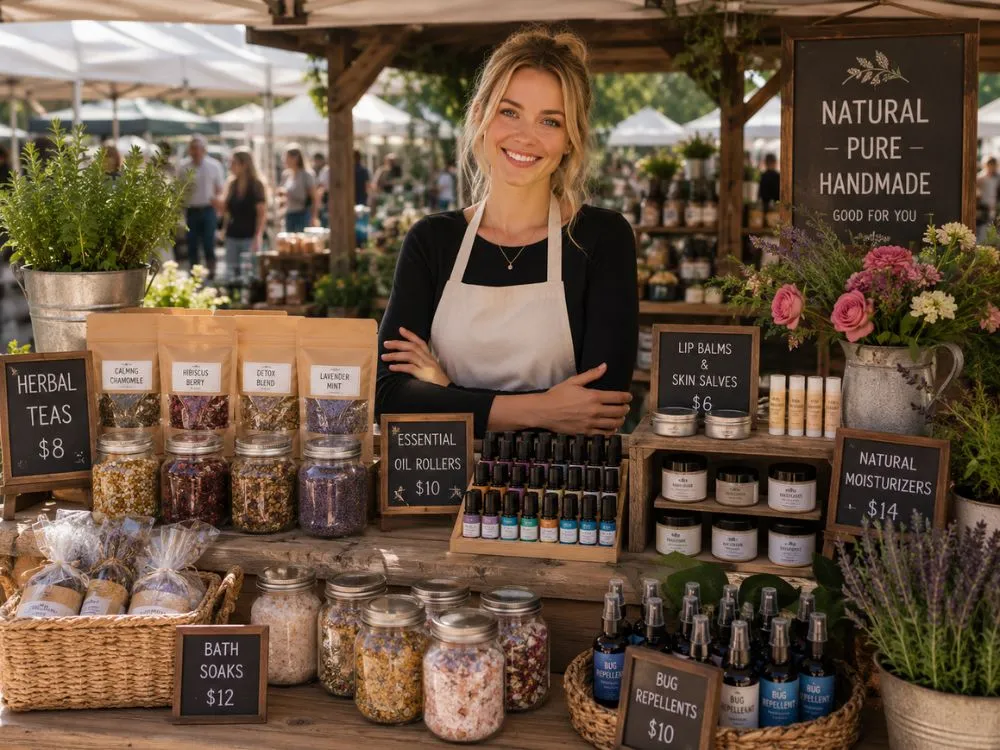
Farmers market shoppers tend to be pretty health-conscious. They are already skipping the big box stores, so a natural, homemade wellness product is right up their alley.
You can offer:
- Herbal teas with dried flowers
- Essential oil rollers and diffuser blends
- Lip balms and skin salves
- Natural moisturizers and serums
- Bug repellent and suncare balms
- Bath soaks and shower steamers
Time to Make: 30 to 90 minutes
Estimated Cost Per Item: $2 to $8
Estimated Selling Price: $10 to $30
Profit Potential: Medium to High
Clear labels and simple ingredients build trust quickly. Shoppers who care about natural living read labels carefully, and a clean simple ingredient list will do more selling than any pitch you could give them.
Simple Ways to Boost Your Farmers Market Sales
Getting your product right is just step one. But how you price things and talk to people is what actually moves it off the table. Let's find some simple ways to boost your sales:
- Keep your booth clean and organized so customers can easily browse
- Use clear and visible pricing so nobody has to ask
- Offer small samples when possible
- Talk to customers without being pushy
- Bundle a few products together to increase what people spend naturally
- Accept both cash and digital payments so no sales slip through
- Use a simple sign with your name or brand so people remember you
Wrapping Up
Farmers markets give you a great chance to start selling without a huge setup. Pick one product from this list that fits what you already enjoy making, start small and see how it goes. Most successful market sellers started exactly the same way. One good product, one table, and a willingness to show up consistently are really all it takes to get going.
FAQs
Q1: How do I pick the right product to sell?
Go with something you already know how to make. If your friends and family keep asking you for it, chances are strangers at a market will want it too.
Q2: Do I need a license to sell at a farmers market?
Honestly, it depends. Some products need permits and some don't. Check your state rules and talk to whoever runs your local market before you invest too much time setting things up.
Q3: What if my product doesn't sell well the first time?
Don't panic. Every vendor has a slow day. Pay attention to what people stop for and what they walk past and use that to adjust before your next market.
Explore Related Posts
https://smarttoolsai.com/post/things-to-sell-at-school-market-day