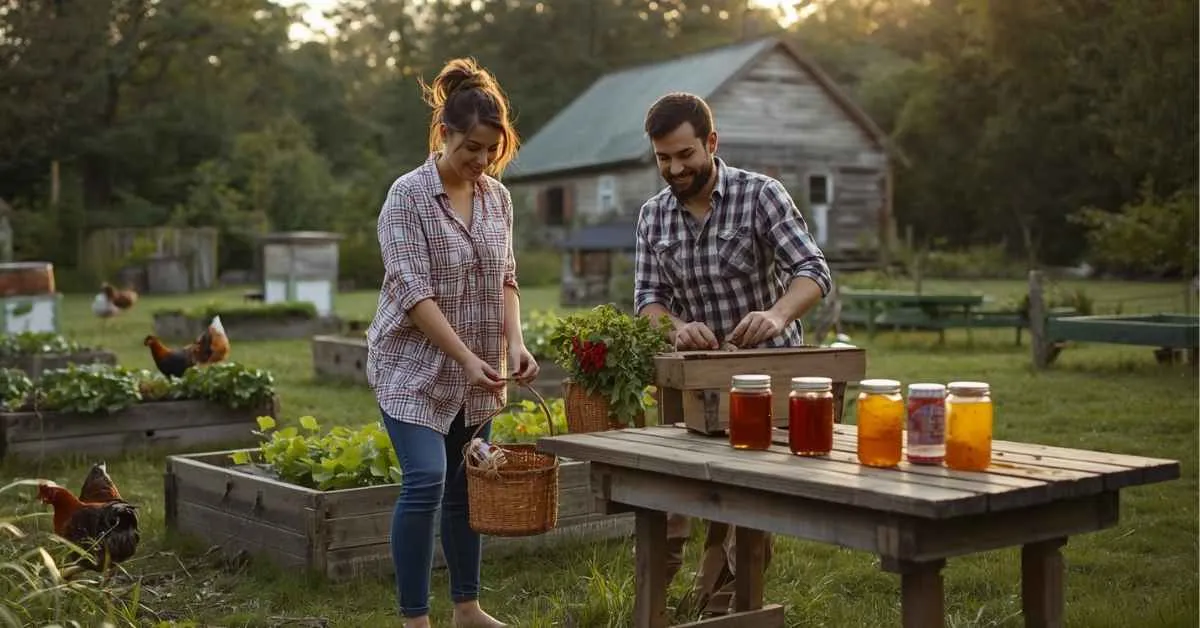
13 Profitable Homestead Business Ideas to Turn Your Land into Income
.webp)
What if the land you already own could help pay your bills? Most homesteaders look at their property and see a lifestyle. But that same land sitting right outside your door can actually bring in money.
You don't need a farming degree or a huge startup budget to get going. Some of these ideas can build into a steady monthly income, while others are great for bringing in extra cash during certain seasons.
Key Takeaways
- Discover 13 profitable homestead ideas to earn money from your land
- See what each idea costs, requires, and can potentially earn
- Learn simple tips to start and grow your homestead business
Note: Cost and earning figures are estimates for informational purposes only. Actual costs, earnings, and results may vary depending on factors such as location, experience, demand, competition, and other business expenses.
1. Organic Herb Farming
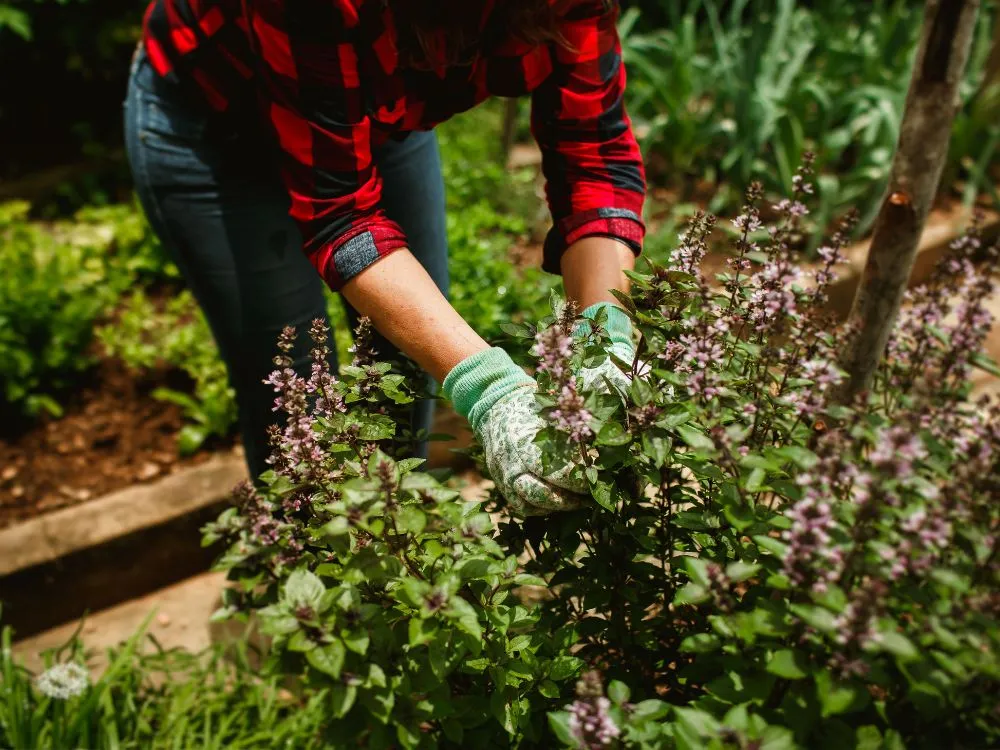
Got a small patch of land and decent sunlight? Herbs are probably the simplest thing you can grow and actually sell. People are always looking to buy fresh or organic options locally.
You can grow things like:
- Culinary herbs like basil, thyme, and oregano
- Fresh mint varieties for drinks and desserts
- Lavender for soaps and cooking
- Medicinal picks like echinacea and chamomile
- High-demand herbs like lemongrass for Asian restaurants
Estimated Cost to Start: $50 to $200
Earning Potential: $200 to $800+ per month
Skills Needed: Basic gardening and plant care
The best part is that you can sell to neighbors or even local grocery stores and restaurants. Dried herbs also last longer, so nothing goes to waste if you can't sell it all fresh.
2. Honey Production (Beekeeping)
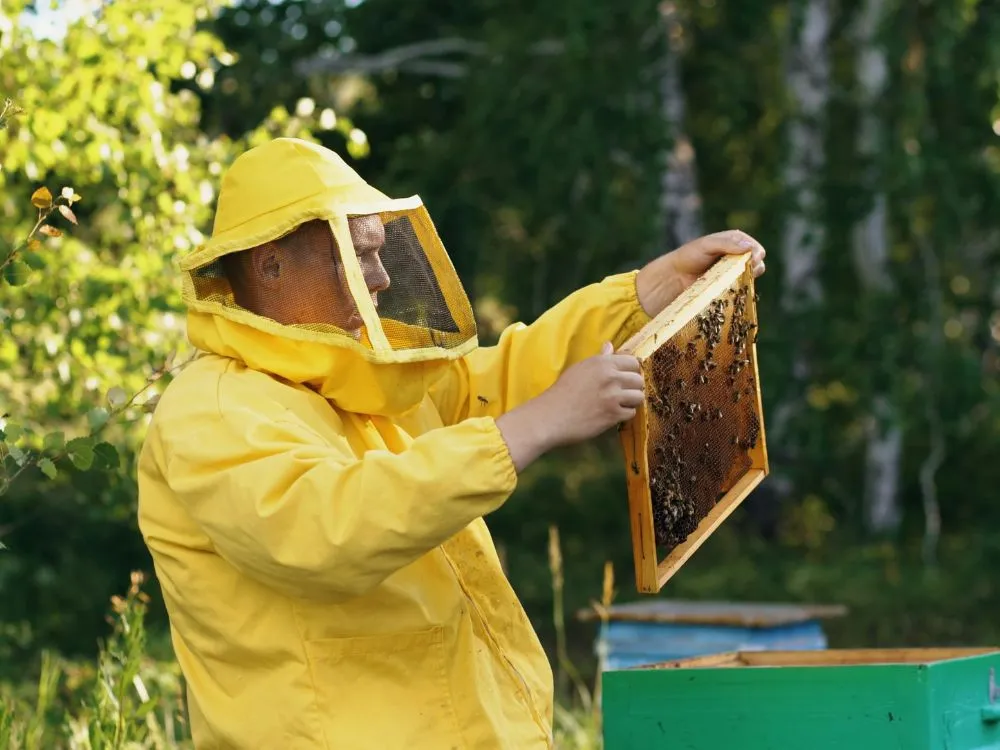
Beekeeping has a bit of a learning curve and sometimes scares you off. But plenty of regular people start with just a hive or two and do just fine from the beginning.
You can sell:
- Raw and creamed honey
- Beeswax candles and lip balms
- Honey-based skincare products
- Propolis and pollen for health-conscious buyers
- Infused honey varieties like lavender or cinnamon
Estimated Cost to Start: $200 to $500
Earning Potential: $400 to $1,000+ per season
Skills Needed: Patience and basic beekeeping knowledge
The bonus is that your bees don't just make you money. They also pollinate your garden and nearby crops. This means better harvests across your whole homestead.
Plus, raw local honey sells really well at farmers markets and even through word of mouth in your neighborhood.
3. Grow & Sell Fresh Vegetables
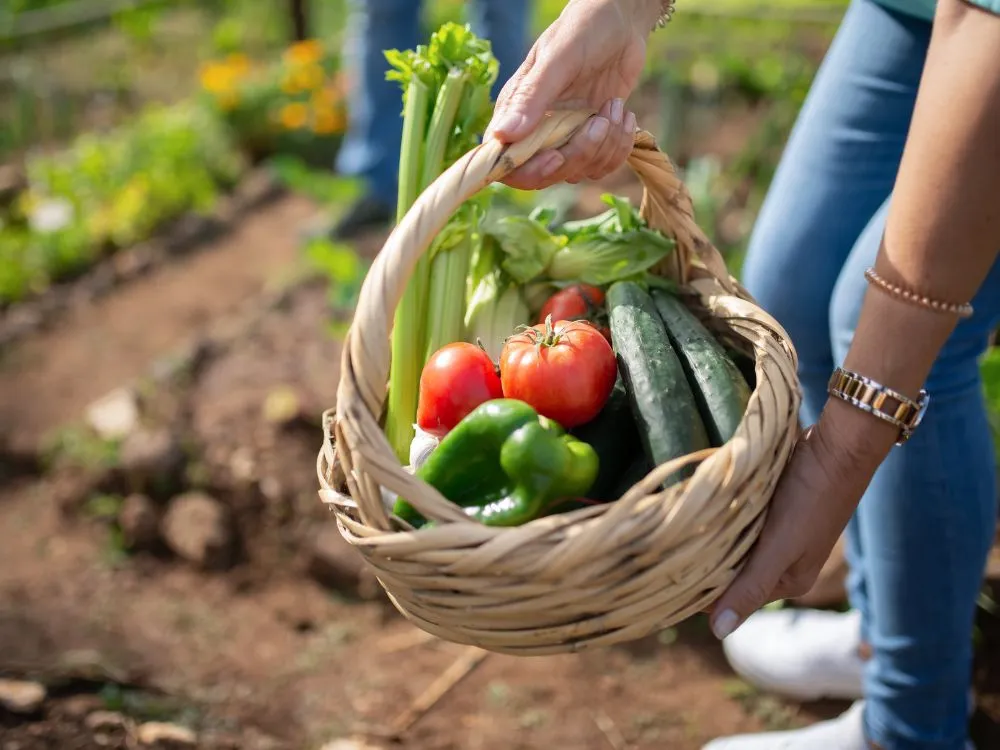
Vegetables are something every household needs, week in and week out. Growing more than you need and selling the rest is one of the simplest ways to get your homestead earning.
You can sell:
- High-demand staples like tomatoes and cucumbers
- Leafy greens that restaurants always need
- Hearty vegetables like squash and sweet potatoes
- Early spring crops like radishes and spinach
- Fall favorites like gourds and dried corn
Estimated Cost to Start: $100 to $300
Earning Potential: $300 to $1,500+ per month (seasonal)
Skills Needed: Gardening and consistency
Good vegetables speak for themselves. Keep them fresh and price fairly, where people will keep coming back without you ever having to hard sell anyone.
4. Homemade Jam or Preserves

That fruit hanging heavy on your trees isn’t a problem. It's an opportunity. A little time in the kitchen and you've got a product that sells fast and keeps your harvest from going nowhere.
You can make:
- Classic strawberry, blueberry, pineapple, and peach jam
- Mixed fruit preserves and marmalades
- Seasonal flavors like pumpkin spice jam
- Small gift jars perfect for holidays
- Savory options like pepper jelly that sell surprisingly well
Estimated Cost to Start: $50 to $150
Earning Potential: $200 to $1000+ per month
Skills Needed: Basic cooking and food safety knowledge
Store-bought jam is just convenient, but it's not personal. Homemade jam tells a story and that's exactly what today's buyers are looking to buy and pay a little extra for.
5. Free-Range Egg Production
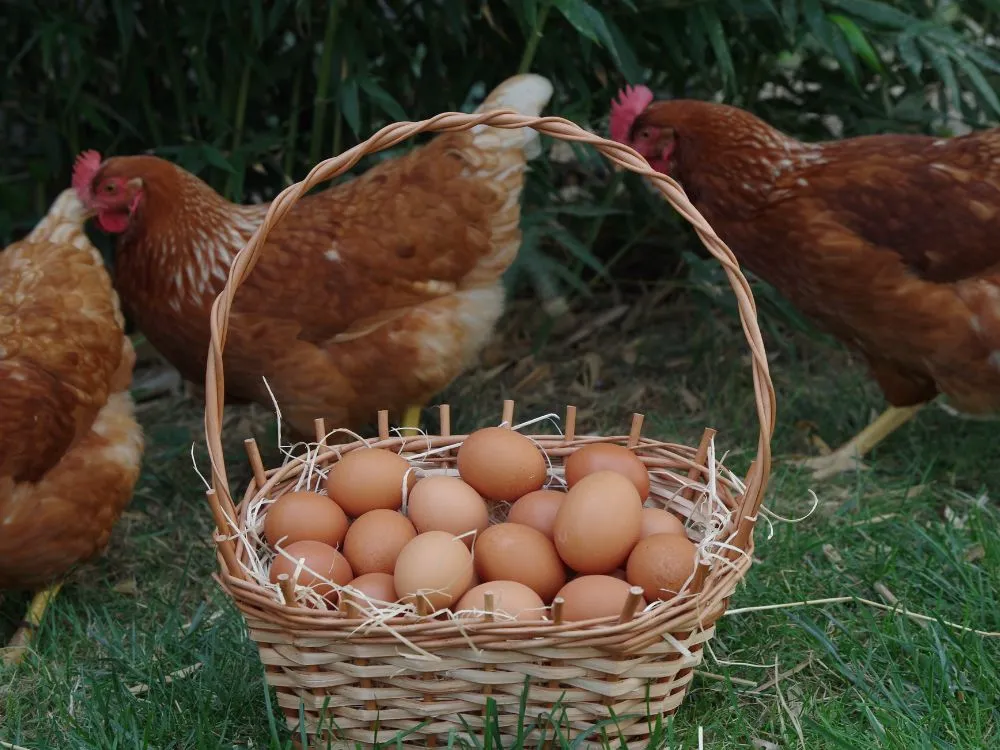
Eggs are the easiest way to start making money from animals on your homestead. Chickens are probably the easiest entry point and require a small space. Plus, the demand for fresh eggs in most communities is steady year-round.
You can sell:
- Fresh daily eggs to neighbors and regulars
- Certified organic or free-range eggs at a premium price
- Fertilized eggs to other homesteaders looking to hatch chicks
- Duck or quail eggs for buyers who want something different
- Egg subscriptions for families who want a set amount each week
Estimated Cost to Start: $200 to $600
Earning Potential: $300 to $1000+ per month
Skills Needed: Basic animal care
A simple weekly delivery route or a standing order with a few local families can turn your flock into a reliable little income stream pretty fast.
6. Selling Fresh Milk or Dairy Products

If you already have goats or cows on your property, dairy is one of those income streams that can grow into something really substantial over time. It takes more setup than eggs or vegetables, but the earning potential is also a lot higher.
You can sell:
- Fresh goat or cow milk to local families
- Homemade cheese varieties like chevre or cheddar
- Butter and cream for home-based bakers and cooks
- Greek-style yogurt and kefir for health-conscious buyers
- Goat milk soap and beauty products as a bonus income stream
Estimated Cost to Start: $500 to $2,000+
Earning Potential: $500 to $1,500+ per month
Skills Needed: Animal care and food handling
One thing to get straight before you start is your local dairy laws. Raw milk sales are legal in some states and completely restricted in others. Knowing the rules in your area upfront will save you a lot of headaches down the road.
7. Plant Nursery or Seedling Sales
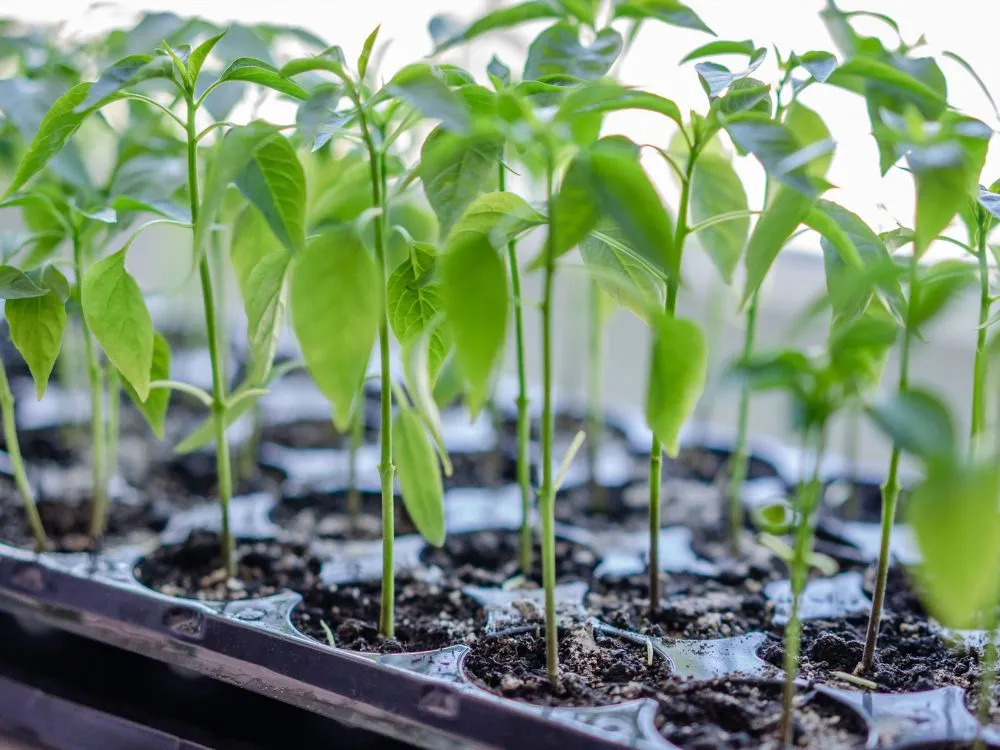
Starting a small plant nursery on your homestead is simpler than most people expect. If you already have a green thumb and some growing space, selling seedlings is a low-cost business idea to bring in good money, especially in the spring.
You can sell:
- Vegetable seedlings that save gardeners the hassle of starting from seed themselves
- Herb starters in small pots that are healthy, rooted, and ready for the garden
- Annual and perennial flower plants for home gardens
- Native plants that attract pollinators and wildlife
- Fruit tree saplings and berry bush starters for serious gardeners
- Popular indoor houseplants
Estimated Cost to Start: $50 to $200
Earning Potential: $200 to $1,000+ per season
Skills Needed: Gardening and plant propagation
Spring is definitely the busiest season for plant sales, but it's not the only window. Fall planting is a real thing in many parts of the country, and houseplants move year-round.
8. Flower Farming

Don't let the pretty petals fool you into thinking flower farming isn't a real business. There's steady money in fresh flowers if you grow the right varieties and know where to sell them.
You can grow:
- Sunflowers and zinnias that are easy to grow and sell fast
- Roses and peonies for weddings and special event arrangements
- Lavender bundles for dried arrangements and home decor
- Dahlias and ranunculus that florists are always looking for
- Seasonal wildflower mixes that make beautiful everyday bouquets
- Specialty stems like snapdragons for higher-end buyers
Estimated Cost to Start: $100 to $300
Earning Potential: $300 to $2,000+ per season
Skills Needed: Gardening and basic design
If you can build a relationship with even one or two local florists or event planners, that alone can keep your flower business busy through the whole growing season.
9. Selling Firewood
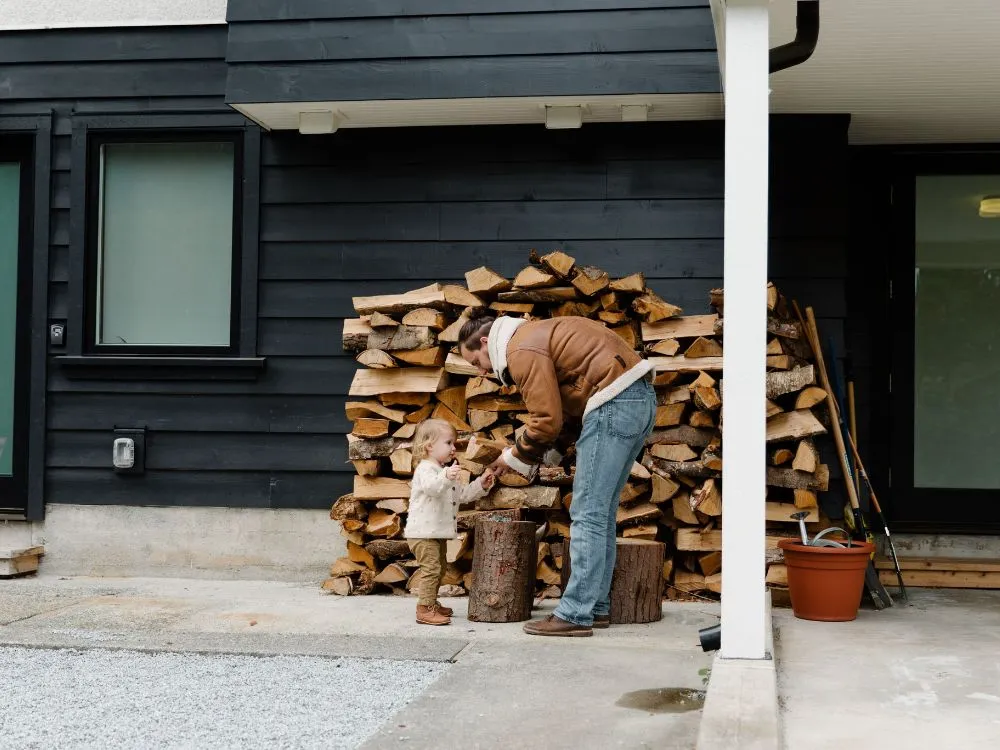
Got trees on your property? You're already sitting on a seasonal income source that a lot of homesteaders overlook. Firewood is one of those straightforward businesses where the product sells itself, especially once the temperature starts dropping.
You can sell:
- Standard cut and split firewood by the cord or half cord
- Bundled campfire wood for campsites and outdoor retailers
- Kiln-dried or seasoned hardwood for buyers who want better-burning wood
- Seasonal wood supply contracts with local families
Estimated Cost to Start: $100 to $300 (tools)
Earning Potential: $400 to $1,000+ per season
Skills Needed: Physical work and basic tools
The demand for firewood is absolutely good in cold weather. Getting your cutting and stacking done over the summer means you're ready to sell the moment people start needing it.
10. Homemade Bread or Baked Goods

A homestead kitchen is honestly the best place to start a baking business. Everything around you, from your own eggs to your garden herbs, can go straight into what you're selling.
You can sell:
- Bread baked with home milled grain or sourdough starter
- Pies and tarts filled with fruit straight from your garden
- Honey-sweetened baked goods using your own hive harvest
- Herb and cheese breads made with homegrown ingredients
- Seasonal bakes that follow what your land is producing
Estimated Cost to Start: $50 to $200
Earning Potential: $300 to $1,000+ per month
Skills Needed: Baking and consistency
The usual Saturday market presence with quality baked goods is often all it takes to build a steady customer base that looks for you every single week.
11. Raising Fish (Aquaculture)
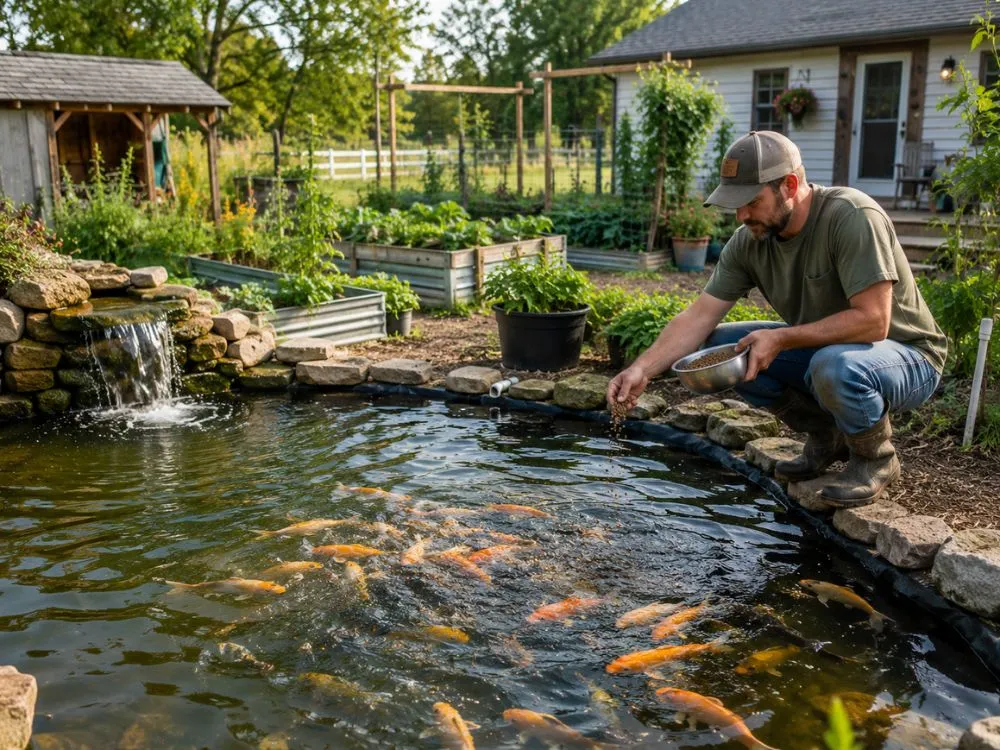
A lot of homesteaders have the space for fish farming and don't even realize it. A small pond or a simple tank setup is really all you need to get this up and running.
You can raise:
- Tilapia, one of the most popular choices for beginner fish farmers
- Catfish that grow fast and have a strong demand
- Trout for buyers who like to pay a premium for fresh-caught quality
- Bass and bluegill for local fishing enthusiasts and restaurants
- Crawfish as a specialty product that sells well in certain regional markets
- Ornamental fish like koi for pond owners and backyard water gardens
Estimated Cost to Start: $400 to $2,000
Earning Potential: $300 to $1,500+ per cycle
Skills Needed: Water management and feeding routines
Like most things on a homestead, fish farming has a learning curve at the beginning. Push through that early stage and you'll end up with one of the more hands-off income streams your property can produce.
12. Producing Natural Fertilizers (Worm Castings/Vermicompost)

Worm farming is one of those businesses where the barrier to entry is low but the return can surprise you. Gardeners who care about soil health are always looking for a reliable local source.
You can sell:
- Bagged worm castings for gardeners who want chemical-free fertilizer
- Worm tea concentrates that plant lovers buy again and again
- Bulk orders for community gardens and urban farmers
- Live red wigglers sold to fishermen and fellow homesteaders
- Seasonal compost blends timed for spring and fall planting
Estimated Cost to Start: $50 to $200
Earning Potential: $200 to $800+ per month
Skills Needed: Basic composting knowledge and consistency
The beauty of this business is that your worms do most of the work for you. You feed them kitchen scraps and organic waste, where they turn them into one of the most nutrient-rich soil amendments available anywhere.
13. Selling Wool or Yarn
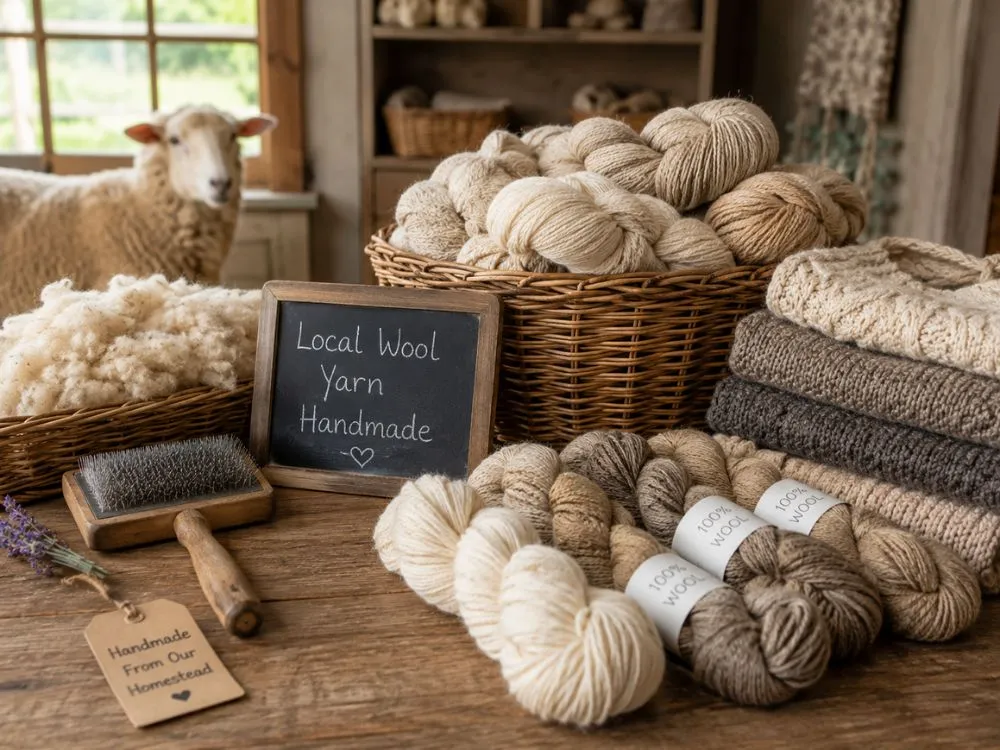
If you're already raising sheep, alpacas, or even angora rabbits on your homestead, wool is a natural product that a lot of small farm owners don't take full advantage of.
You can sell:
- Raw unwashed fleece to hand spinners and fiber artists
- Washed and prepared wool ready for spinning or felting
- Hand-spun yarn in natural colors or custom dyed varieties
- Roving and batting for crafters who do their own spinning
- Finished knitting and weaving materials packaged for hobbyists
- Specialty fiber from alpacas or angora rabbits for premium buyers
Estimated Cost to Start: $300 to $1,000+
Earning Potential: $300 to $1,000+ per season
Skills Needed: Animal care and basic processing
Small farm wool has something commercial suppliers just can't offer, which is a real story behind the fiber. Buyers in the crafting community respond to that in a big way.
How to Grow Your Homestead Business
Starting your first homestead income stream is a win on its own. But turning it into something that consistently pays the bills takes a little more intention.
A few simple ways to grow:
- Start with one product that your land already supports naturally
- Let your first season teach you what sells and what sits
- Build relationships with repeat buyers before chasing new ones
- Price your products to reflect the real work and quality behind them
- Use what you already grow or raise to keep your costs low
- Show up consistently at local markets before trying to sell online
- Add new products slowly as your operation gets more stable
- Let your homestead story be part of your selling point
- Connect with other local growers to share markets and buyers
- Join local homesteading groups where potential customers already gather
Wrapping Up
Your homestead is already producing more than you probably realize. The gap between where you are now and actually making money from your land is smaller than it looks. You don't need a big budget to get started. You just need to pick one idea from this list that fits your situation and commit to it long enough to see real results.
FAQs
Q1: How much land do I need to start earning from my homestead?
Honestly, even a small plot can work. Some of the most profitable ideas on this list like worm farming and beekeeping, don't need a lot of space at all.
Q2: How do I find customers for my homestead products?
Your neighbors are the best place to start. Once a few people in your area try your product and like it, they'll do most of your advertising for you without you even asking.
Explore Related Posts
https://smarttoolsai.com/post/small-business-ideas-for-women
https://smarttoolsai.com/post/small-business-ideas-for-teens
https://smarttoolsai.com/post/small-business-ideas-for-stay-at-home-moms