How to Start a Cleaning Business and Make Money
.webp)
Do people constantly tell you how beautiful your place looks when they visit? There's a reason for that. You know how to clean properly. This is the skill busy families and businesses desperately need.
Why not turn it into actual income? You don't need special certifications or a huge budget. Just basic supplies and the drive to build something of your own.
This guide shows you exactly how to start a cleaning business that brings in real money. No complicated terms. Just clear steps you can put into practice.
Key Takeaways
- Learn what cleaning businesses exist and which one fits your situation.
- A practical guide to starting without high upfront costs.
- Know how to pick your niche, price services, and land first clients.
- Learn what supplies you need and how to set up the basics.
- Avoid common mistakes that tank new cleaning businesses early.
What Types of Cleaning Businesses Can You Start?
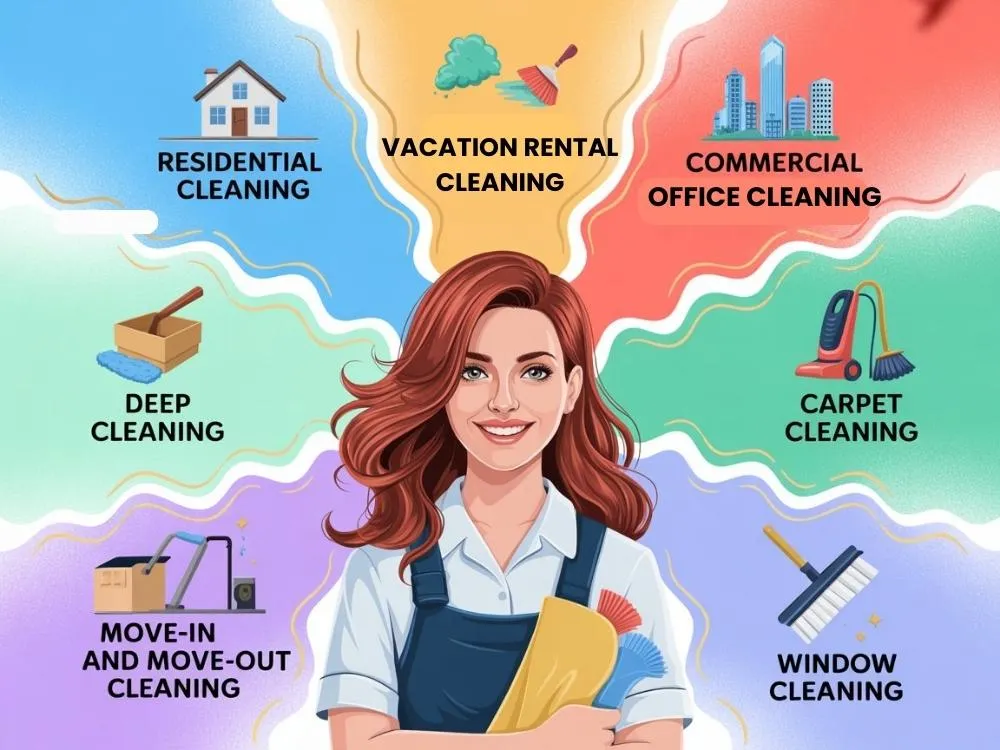
This business is pretty wide open and you don't need to tackle every type.
Some common types include:
- Residential cleaning
- Commercial office cleaning
- Deep cleaning
- Move-in and move-out cleaning
- Post-construction cleaning
- Airbnb and vacation rental cleaning
- Carpet or upholstery cleaning
- Window cleaning
Most people start with regular house cleaning since it's the easiest way in. Others target office buildings or specialty work because the pay tends to be better.
Ready to start? Let's walk through the steps to get your cleaning business up and running.
Step 1: Choose Your Cleaning Niche
Picking a niche keeps you focused. It also makes marketing simpler since people immediately get what you do.
For example, residential cleaning usually means repeat customers and direct contact with homeowners. Commercial cleaning often happens after hours and can lead to longer contracts. Move-out cleaning pays well, but the work's more intense.
When choosing your niche, think about:
- What type of cleaning work you are comfortable doing
- What is in demand in your area
- Whether you want one-time jobs or repeat clients
- How much equipment the niche requires
A lot of people start with residential cleaning and then expand later. That works well because it usually requires less equipment and is easier to begin with.
Step 2: Get the Right Supplies and Equipment
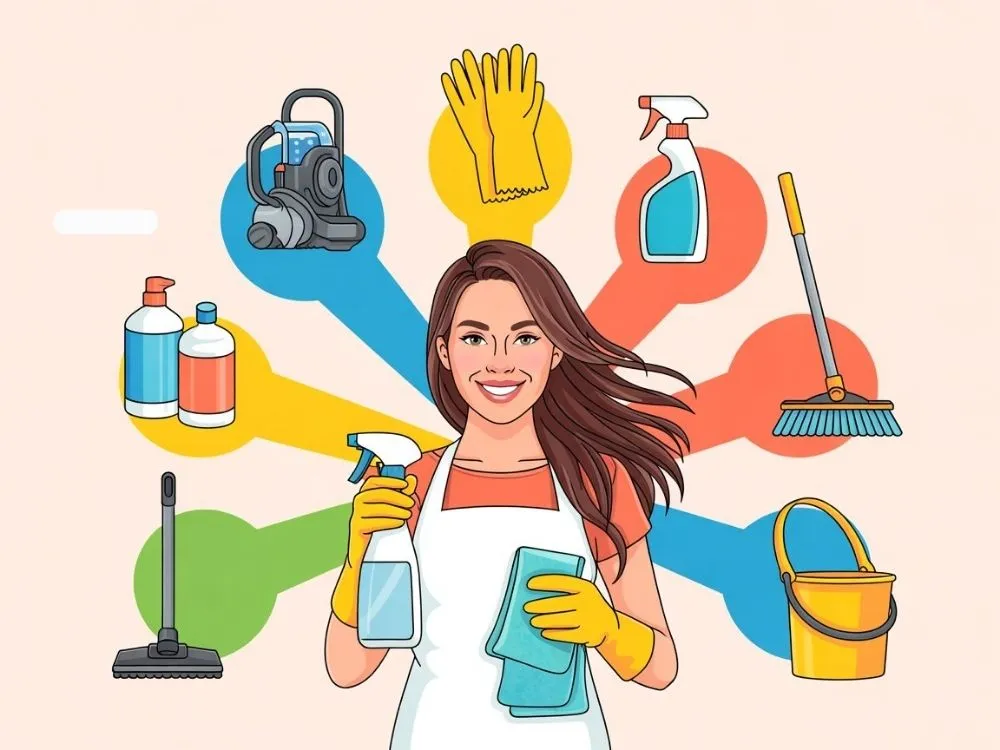
You don't need a truck full of expensive equipment right away. A basic starter kit can do the job perfectly which includes:
- Microfiber cloths
- Sponges and scrub brushes
- Mop and bucket
- Vacuum cleaner
- Duster
- Rubber gloves
- Trash bags
- All-purpose cleaner
- Glass cleaner
- Bathroom cleaner
- Floor cleaner
Planning to offer deep cleaning or post-construction work? You'll need heavier equipment down the line. But for regular house cleaning, basic tools get you going.
Stick with products that actually work and are easy to restock. No point testing a dozen different sprays when one solid all-purpose cleaner does the trick.
Keep your supplies organized too. It looks professional and saves you time on every job.
Step 3: Set Up Your Cleaning Business
Handle the business setup before you start taking paid clients.
Start with the basics:
- Pick a business name
- Check your local rules for registration
- Open a separate bank account for business income
- Create a simple invoice and payment system
- Set up a business phone number and email
- Grab basic insurance if your area requires it
A simple website or social media page helps too. People want to see you're legitimate before letting you into their home or office. Makes sense.
Think about your service area while you're at it. Sticking to a reasonable radius keeps you profitable instead of burning gas money driving all over town for small gigs.
Step 4: Price Your Cleaning Services
Pricing can feel tricky at first. If you charge too little, you work hard and barely make money. If you charge too high without understanding the market, you may struggle to get bookings.
Most cleaning businesses use one of these pricing methods:
- Hourly rate
- Flat rate per job
- Price per square foot for some commercial jobs
Your price should cover:
- Your time
- Cleaning supplies
- Travel
- Taxes
- Business expenses
- Profit
A lot of beginners start too cheap because they want to get clients fast. That usually backfires. Cheap clients often expect the most and stay the happiest for the shortest amount of time. Funny how that works.
Cleaning Service Types and Pricing
| Service Type | Typical Rates | Frequency | Profit Margins | Startup Difficulty |
|---|---|---|---|---|
| Residential cleaning | $20 to $40 per hour or $75 to $250 flat | Weekly, biweekly, monthly | Medium to high | Low |
| Commercial cleaning | $30 to $60 per hour or contract-based | Daily, weekly, monthly | Medium | Medium |
| Deep cleaning | $200 to $500 flat | One-time or occasional | High | Medium |
| Move-out cleaning | $150 to $700 flat | One-time | High | Medium |
| Post-construction cleaning | $0.10 to $0.50 per sq ft | One-time | High | High |
| Specialty services | Varies by service | Occasional or repeat | Medium to high | Medium to high |
See what other cleaning businesses near you are charging. But don’t copy them blindly because your pricing should make sense for your time, skill, and local demand.
Step 5: Get Your First Cleaning Clients
This is the part that makes the business real but a little tough too. You can have all the supplies, but without clients, it's just a well-stocked closet.
Some practical ways to get your first clients include:
- Asking friends and family for referrals
- Posting in local Facebook groups
- Creating a Google Business Profile
- Handing out flyers in your service area
- Reaching out to property managers or Airbnb hosts
- Offering a discount for first-time clients
- Asking happy clients to recommend you
When you are just starting, word of mouth matters a lot. One happy client can lead to several more customers. You should also make it easy for people to contact you.
If someone has to dig through three social pages just to find your phone number, they may move on to the next cleaner.
Step 6: Deliver Quality Service and Build Your Reputation

Attracting clients is one thing but keeping them coming back is what builds your business. You have to show up on time and do solid work. Plus, communicate clearly and you're way ahead of your competitors.
Clients notice the small stuff like:
- Did you arrive when you said you would?
- Did you follow their special requests?
- Does the place actually feel clean when you're done?
- Do you respond quickly and politely to questions?
A good reputation comes from providing satisfactory services. You just need to be reliable. Earn that trust from your clients and don't forget to ask for feedback after each job.
Moreover, ask clients to leave a review about your service. Good reviews hit different when people are comparing cleaners online.
Step 7: Scale Your Cleaning Business
You can think about growing once you've got steady work coming in.
Some ways to scale:
- Adding recurring clients
- Expanding into commercial cleaning
- Offering deep cleaning as an upsell
- Hiring extra cleaners
- Creating service packages
- Raising rates as demand grows
Don't jump into hiring too fast. It sounds appealing, but handling payroll, coordinating schedules, checking quality, and dealing with employee issues gets messy quick. Build your foundation first.
Most successful cleaning businesses start small with reliable clients, then grow at a steady pace.
Common Cleaning Business Mistakes to Avoid
A lot of new cleaning business owners make the same mistakes in the beginning. Catching them early helps you save time and money.
Some common ones include:
- Charging too little for your cleaning services
- Taking jobs too far outside your service area
- Buying too much equipment too soon
- Not using clear checklists
- Ignoring reviews and client feedback
- Showing up late or rescheduling too often
- Trying to offer every cleaning service at once
- Not keeping track of expenses
Another big mistake is treating the business too casually. Cleaning may feel simple but clients still expect professionalism. They are trusting you with their space, and that matters.
Wrapping Up
Starting a cleaning business is simpler than most people think. It's a good way to make money using your skills without the need for fancy credentials. Just basic gear, a focus on one or two cleaning types, and the habit of being dependable are all you need. Show up on time and clean well. The rest takes care of itself.
FAQs
Q1: Do I need a license to start a cleaning business?
That actually depends on where you are. Some areas require you to register or get a permit. Some areas don't care much. Check your local rules. For basic house cleaning, you usually don't need certifications.
Q2: How much can I make in the cleaning business?
The numbers vary. Most cleaners charge $20 to $40 per hour for residential work. Commercial jobs often pay more. Your actual income depends on how many clients you take on and how you price your services.
Explore Related Posts
https://smarttoolsai.com/post/declutter-your-workspace-home-office-organization
https://smarttoolsai.com/post/how-to-start-a-resume-writing-business
https://smarttoolsai.com/post/become-a-life-coach-and-start-your-own-business