
How to Sell on Depop and Make Money
.webp)
Ever scrolled through your closet and wondered if those unused clothes could actually make you money? That's exactly what Depop lets you do. You take some photos, post your items, and someone buys them.
That first sale feels incredible because you're getting paid for something that was just sitting there. Depop makes selling feel natural and fun, but there's definitely a right way to do it if you want consistent sales.
This guide shows you how to sell on Depop from the beginning, even if you've never tried reselling before. No fancy strategies. Just practical steps that work.
Key Takeaways
- Find out what actually sells on Depop and what's worth your time.
- Follow clear steps to set up your shop and make your first sale.
- Learn where to source inventory once you've cleared out your closet.
- Know photography and listing tips that get your items noticed.
- Understand pricing and shipping, and avoid mistakes that slow your growth.
- See how Depop compares to other resale platforms.
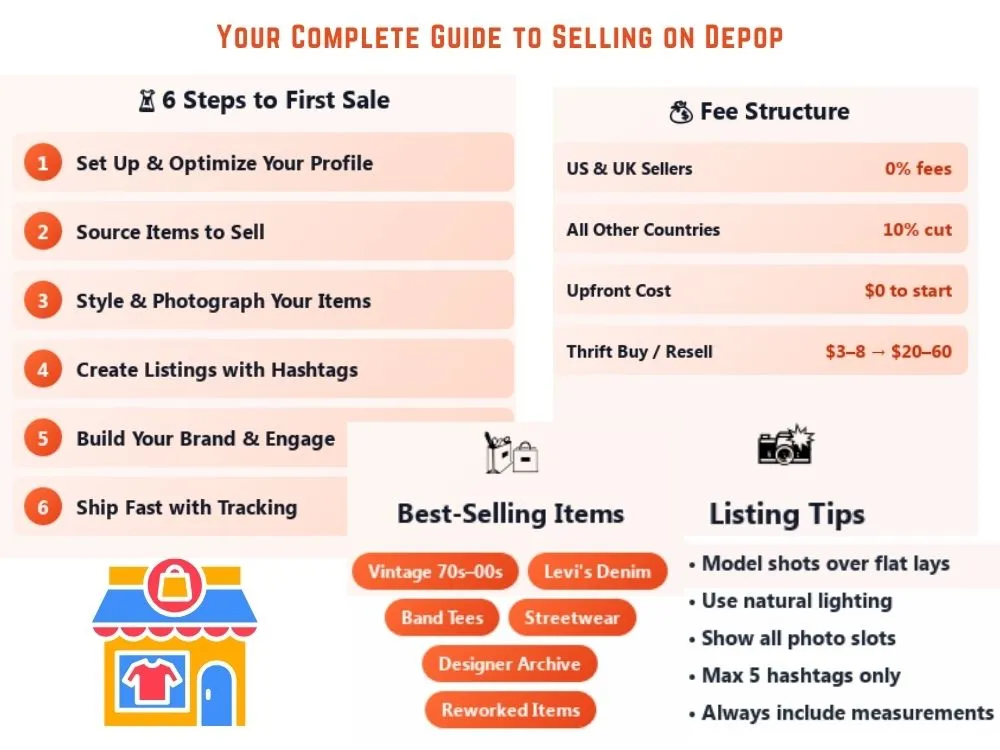
What is Depop and Why Sell There?
Depop is a resale platform that feels more like Instagram than eBay. It's built around fashion and community. The whole experience is visual and social.
People sell on Depop because:
- The audience is young and loves vintage or streetwear.
- You can build an actual following, not just list random items.
- Small sellers grow fast if their style stands out.
- It rewards creativity and personal branding.
Depop gives you way more creative freedom than most platforms. You're not just selling clothes. You're building a brand people want to follow.
What Sells Well on Depop?
This part matters more than almost anything else. Depop buyers don't shop for basic clothing. They shop for a vibe.
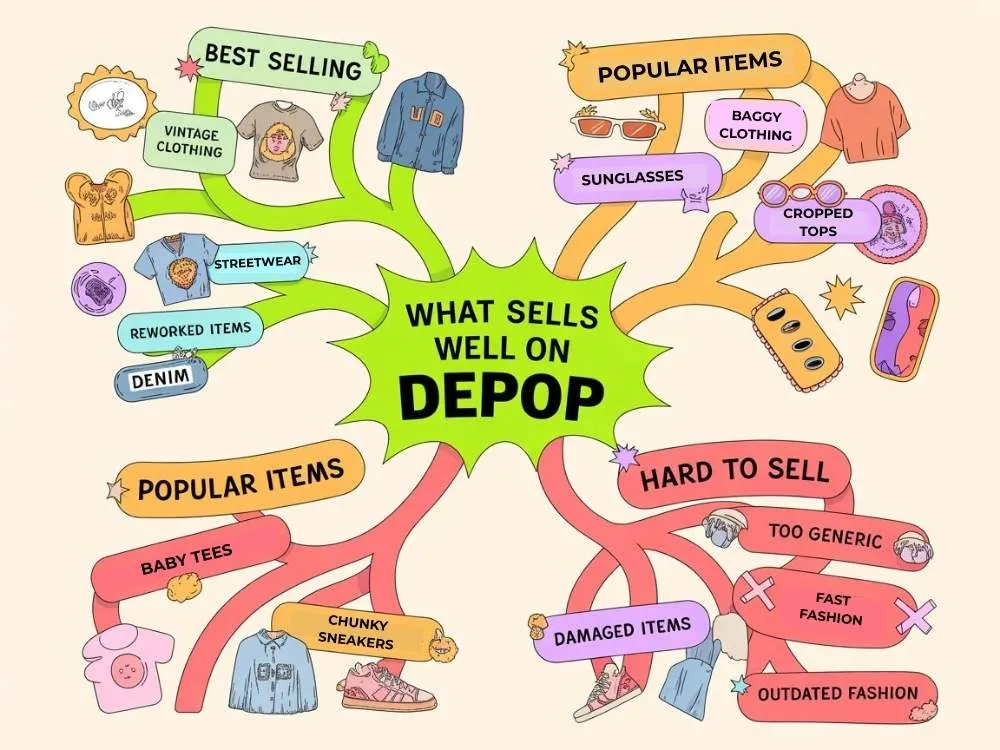
Best Selling Styles
- Vintage clothing from the 70s through the early 2000s
- Streetwear such as Nike, Adidas, Supreme, Carhartt and Dickies
- Band tees and graphic tees with retro designs
- Denim like vintage Levi's and baggy jeans
- Alternative fashion such as grunge, goth, indie and cottagecore
- Designer and archive pieces
- Reworked and upcycled items
Popular Items
- Vintage dresses and skirts
- Oversized and baggy clothing
- Cropped tops and baby tees
- Chunky sneakers and platform shoes
- Vintage sunglasses and accessories
- Unique handbags and DIY jewelry
What Doesn’t Sell Well
- Fast fashion basics from brands like Shein or Forever 21
- Generic modern clothing
- Damaged items with no clear vintage or distressed style
- Items without a clear fashion identity
Step 1: Set Up Your Depop Account
Your profile matters more than most beginners realize. It's the first thing buyers see when they check out your shop.
How to Optimize Your Profile
- Use a clear profile photo or simple logo
- Write a short bio that explains your style niche (example: Vintage 90s and Y2K finds or Streetwear and band tees)
- Link your Instagram if you have one
- Mention your shipping times and return policy upfront
- Keep your overall shop look visually consistent
Account Verification
- Verify your email and phone number
- Set up Depop Payments or connect PayPal
- Add your shipping address
- Complete seller verification to build trust with buyers
A clean and complete profile makes people feel safer buying from you. It shows you're serious and not just trying to flip random stuff without care.
Pro tip: If you're planning to scale your Depop shop into a real business, consider getting a dedicated business phone number to keep your personal and shop communications separate.
Step 2: Source Items to Sell
You need inventory before you can actually make money. Here's where most Depop sellers find their best items.
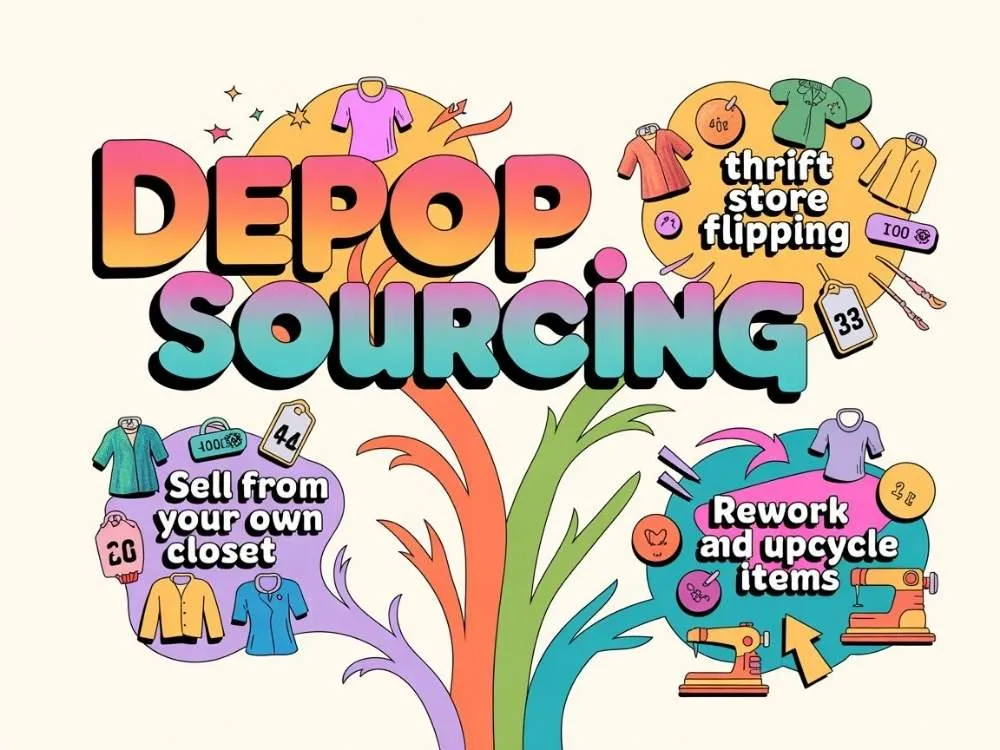
A) Thrift Store Flipping
This is how most successful sellers start. You buy low at thrift stores and resell higher on Depop.
What to look for:
- Vintage pieces from the 70s to 90s
- Unique items that stand out, not basics
- Brand tags and labels (some brands resell way better)
- Light wear is fine on vintage items, buyers expect it
- You'll usually pay $3 to $8 per item and resell for $20 to $60 or more
B) Sell from Your Own Closet
Honestly, it’s the best place to start. No upfront cost and you learn how the platform works.
What works:
- Statement pieces you don't wear anymore
- Trendy items from past years that are cycling back
- Anything that fits current fashion trends
C) Rework and Upcycle Items
This is huge on Depop right now. People love one-of-a-kind pieces.
Simple ideas:
- Crop oversized tops or tees
- Distress denim with cuts or bleach
- Add embroidery, patches, or custom designs
- Turn damaged items into something intentional
Reworked items often sell for more because they feel exclusive. Buyers love knowing they're getting something unique.
Step 3: Style and Photograph Your Items
Photos sell your clothes. If your pictures don't grab attention, nothing else matters.
Depop Aesthetic that Works
- Model shots perform way better than flat lays
- Use natural light whenever possible
- Keep backgrounds simple and clean
- Show how the item actually looks when worn
- Include multiple angles and close-ups
- Always show labels, tags, and any flaws clearly
Photography Tips
- Your first photo is everything. It's what people see while scrolling.
- Model the item if you can. It helps buyers visualize the fit.
- Capture the vibe, not just the product
- Use all available photo slots
- Keep your editing style consistent across your whole shop
If your photos look scroll-worthy, your shop gets more attention. People buy from sellers whose aesthetic they trust.
Pro tip: Compress your photos before uploading so your listings load faster. Smaller file sizes help your shop feel more professional. Check out image tools for quick compression and format conversion.
Step 4: Create Your Listings
This is where you turn your items into actual sales. Good listings get clicks. Great listings get purchases.
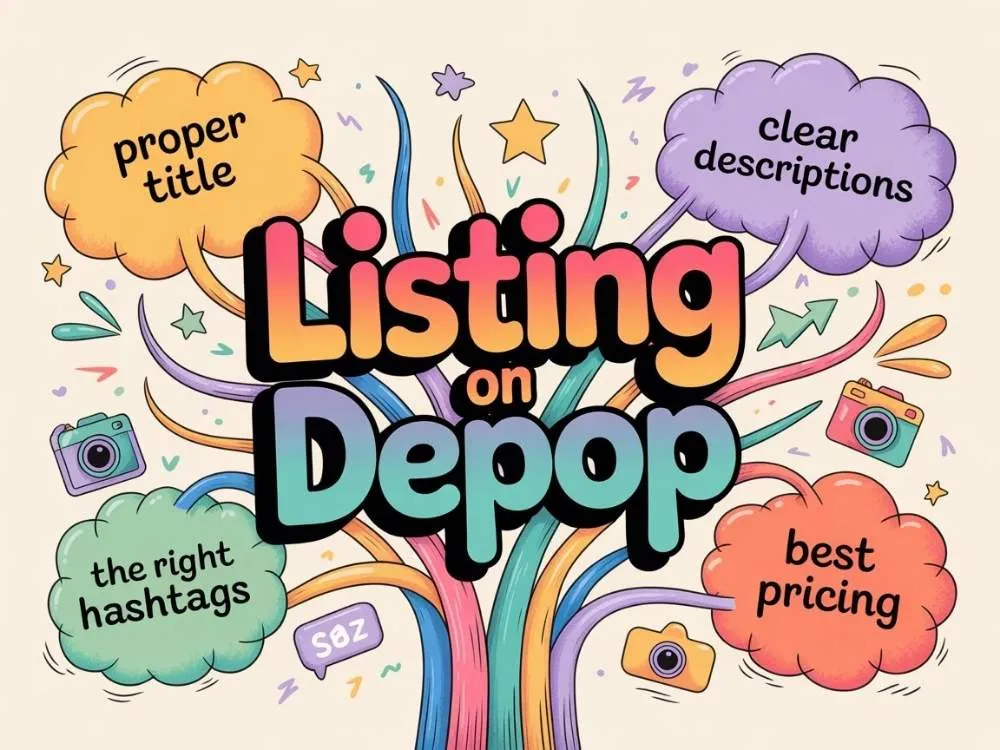
A) Writing Descriptions and Using Hashtags
Titles
Keep them clear and searchable. Include:
- Era or decade
- Brand name
- Style or type
- Size
Example: Vintage 90s Nike windbreaker blue size M
Descriptions
Always include:
- Measurements (pit to pit, length, waist, etc.)
- Condition and any flaws
- Fabric or material
- Era or year if you know it
- Styling ideas or outfit suggestions
- Notes if it's authentic vintage or a specific brand
Be honest about flaws. It builds trust and prevents returns.
Hashtags
Use up to five only. More than that actually hurts your visibility.
Focus on:
- Style tags (#vintage #y2k #grunge)
- Item tags (#cargopants #croptop)
- Trend tags (#streetwear #cottagecore)
- Size tags (#smallclothing #oversized)
Don't spam random tags. Depop's algorithm will push your listing down.
B) Pricing Your Items
Check what similar items actually sold for, without just looking at what they're listed at
- Unique or rare pieces can go higher
- Leave a little room for offers since buyers love to negotiate
- Most items sell between $15 and $80
- Rare or designer pieces can easily hit $80 to $300 or more
Start slightly higher than your lowest acceptable price. You can always drop it later.
Step 5: Build Your Depop Brand and Get Discovered
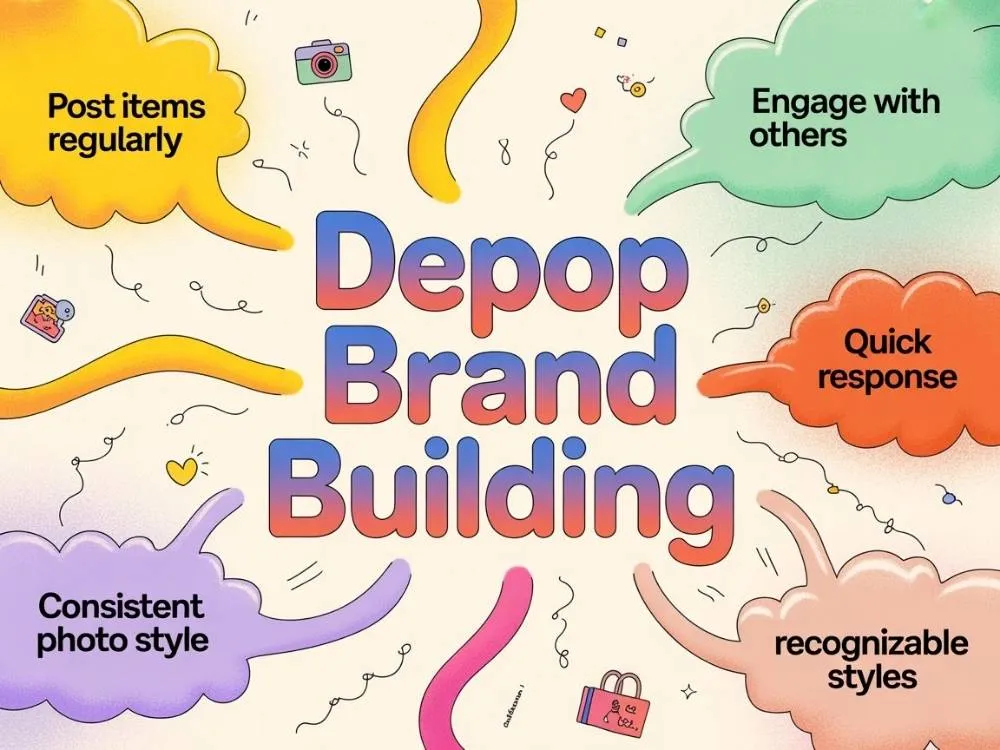
Depop rewards consistency and personality. The sellers who treat it like a brand do way better than those who just dump random listings.
How to Grow Your Shop
- Post new items regularly (even a few per week helps)
- Like and follow accounts in your niche
- Keep your photo style consistent so your shop feels cohesive
- Answer messages quickly (fast replies build trust)
- Style your pieces in a recognizable way that feels like you
Buyers follow shops, not just individual items. If someone likes your vibe, they'll check back to see what else you post. Your brand image becomes your advantage over sellers who treat Depop like a generic marketplace.
Step 6: Ship Your Sales
Shipping matters more than you'd think. It directly affects your reviews and how Depop promotes your shop.
Shipping Best Practices
- Ship within one to three business days whenever possible.
- Always use tracked shipping so both you and the buyer have proof.
- Upload the tracking number to Depop immediately after shipping.
- Package items neatly (tissue paper or simple branded packaging goes a long way).
Fast and clean shipping improves your reviews. Good reviews improve your visibility. It all connects back to more sales.
Depop vs Other Fashion Reselling Platforms
Here's how Depop stacks up against other popular resale platforms.
| Platform | Fees | Audience | Style Focus | Best For |
|---|---|---|---|---|
| Depop | 0% (US & UK), 10% elsewhere | Teens to 20s | Vintage, Y2K, streetwear | Trend-focused sellers building a brand |
| Poshmark | 20% or $2.95 flat | 30s to 50s | Brands and everyday fashion | Closet cleanouts and name-brand items |
| Vinted | Low or free | 20s to 40s | Casual and modern resale | Fast, low-cost selling |
| Mercari | Around 10% | Mixed ages | General items and clothing | Selling across multiple categories |
Why choose Depop?
Depop is your best bet if you're selling vintage or anything with a good aesthetic. The audience actually cares about style and discovery. On other platforms, people just want deals or brand names.
Common Depop Mistakes to Avoid
These mistakes impact sales and slow your growth more than people realize.
- Dark or blurry photos - Buyers scroll right past them
- Selling generic fast fashion - It doesn't fit the Depop vibe
- No measurements in listings - People won't risk buying without them
- Overpricing without research - Check what similar items actually sold for
- Using irrelevant hashtags - Depop's algorithm punishes this
- Inconsistent shop look - Makes your brand feel messy and unreliable
- Slow shipping - Impacts your reviews and future visibility
- Hiding flaws - Leads to returns and bad reviews
- Copying other sellers' photos - You'll get reported and banned
- Spam following or commenting - Comes off desperate and gets flagged
Pro tip: Run your photos through a reverse image search tool occasionally to catch anyone stealing your images.
Avoid these mistakes and you're already ahead of most new sellers.
Wrapping Up
Selling on Depop is simple once you understand the audience. Take good photos and price based on real sold listings. Post consistently and answer messages fast. The sellers making real money aren't doing anything complicated. They just show up regularly with the right style. You can do the same.
FAQs
Q1: Do I need to pay fees to sell on Depop?
US and UK sellers pay 0% selling fees. Sellers outside these countries pay 10%. Payment processing fees still apply everywhere.
Q2: What if a buyer asks for a big discount?
It's normal. You can counteroffer or politely decline. Price your items with some wiggle room if you want to negotiate.
Q3: What happens if a buyer claims an item never arrived?
This is why tracked shipping matters. You're protected if you have proof of delivery. Without tracking, Depop usually sides with the buyer. Always use tracked shipping to avoid disputes.
Explore Related Posts
https://smarttoolsai.com/post/how-to-start-selling-on-teachers-pay-teachers
https://smarttoolsai.com/post/how-to-sell-on-facebook-marketplace
https://smarttoolsai.com/post/how-to-start-a-graphic-design-business