How to Become a Health and Wellness Coach and Start Your Own Business
.webp)
Do people ask you how you stay so consistent with healthy habits? Maybe they want to know your workout routine or how you manage stress. That's a sign you could help others do the same.
Health and wellness coaching lets you turn that natural ability into real income. You'll need proper training or certification to build credibility and truly help people. That means you can start without a medical degree.
This guide shows you how to become a health and wellness coach and build your own business from scratch. Simple steps that work.
Key Takeaways
- Learn what a health and wellness coach actually does and how it's different from nutritionists and dietitians.
- A complete guide to start your wellness coaching business from scratch.
- Know how to pick a niche, get certification, set your prices, and find your first clients.
- Understand marketing for your business and avoid the common mistakes that slow you down.
What is a Health and Wellness Coach?
A wellness coach actually helps people build better daily habits that stick. It doesn't relate to diagnosing health problems or writing prescriptions like doctors do. Your job is to assist people in finding what they really want to change.
It involves helping people with better stress management, perfect eating, consistent workouts, or just making small changes that add up over time. Not some extreme detox they'll quit in three days. Real habits that fit into their actual life.
Health Coach vs Nutritionist vs Dietitian: Key Differences
People get these three mixed up all the time. Let's clear it up.
- A health coach works on changing behavior. You help people stick to healthier habits and keep going when life gets hard.
- A nutritionist focuses on food and nutrition. They help with meal planning and teach people how to eat better. However, this title isn't regulated everywhere. Some states have requirements, others let anyone call themselves a nutritionist.
- A dietitian is different. They have clinical training and a license. They can work in hospitals, treat medical conditions with nutrition plans, and do things coaches and nutritionists can't.
Coaching fits if you want to help people change their habits and routines. If you want to treat diseases through diet, you need to go the dietitian route.
Now, let’s see how you can become a health and wellness coach step by step and turn that into a good small business.
Step 1: Get Certified and Trained
Certification gives you credibility. It shows clients you've learned real coaching skills, not just advice from the internet. Plus, good programs teach you how to help people make changes that stick, which is the whole point.
A) Top Health Coaching Certification Programs
Several solid programs exist. Some focus on general wellness coaching. Others go deeper into behavior change or holistic health.
A few names people often look at include:
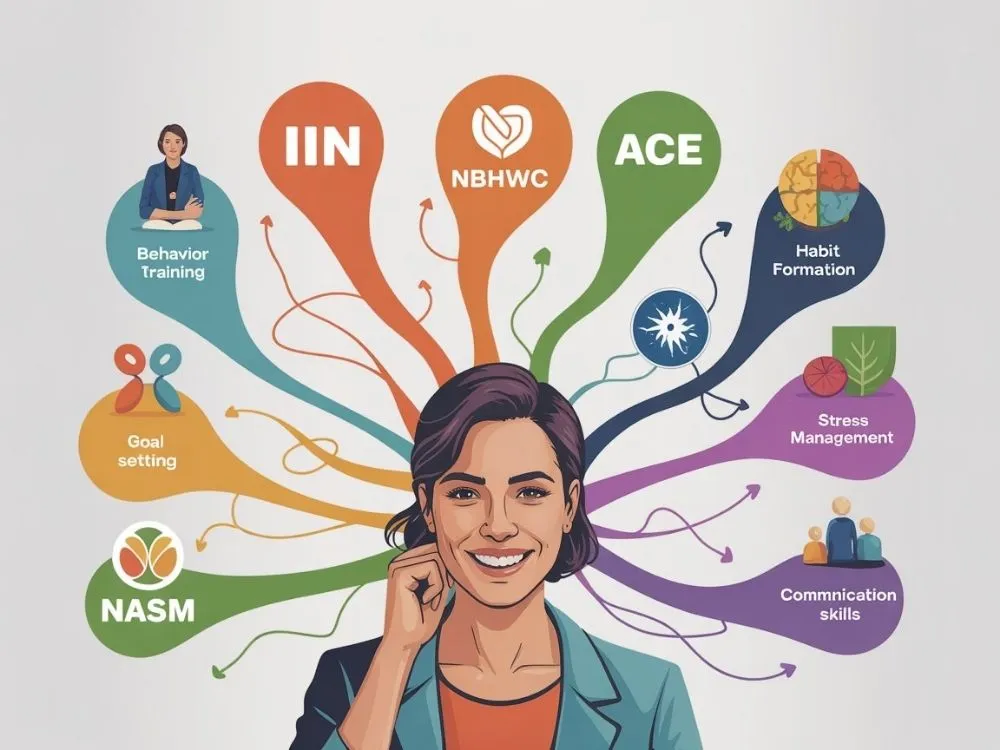
- Institute for Integrative Nutrition (IIN)
- NBHWC-approved training programs
- ACE Health Coach Certification
- Precision Nutrition
- NASM Wellness Coach Certification
The right one depends on your goals and how deep you want to go. Some people need a quick foundation to get started. Others want stricter standards and wider recognition.
B) What You'll Learn in Training
Most good coaching programs cover the important stuff:
- Behavior change and habit formation
- Goal setting that actually works
- Motivational interviewing
- Basic nutrition concepts
- Stress management
- Sleep and lifestyle factors
- Coaching ethics
- Communication skills
This training gives you structure. It also helps you avoid the mistake of just giving random advice and calling it coaching.
Step 2: Choose Your Wellness Niche
You don't need to help everyone. Actually, trying to coach everyone makes it harder to get clients. A niche helps people understand exactly who you help and what you do.
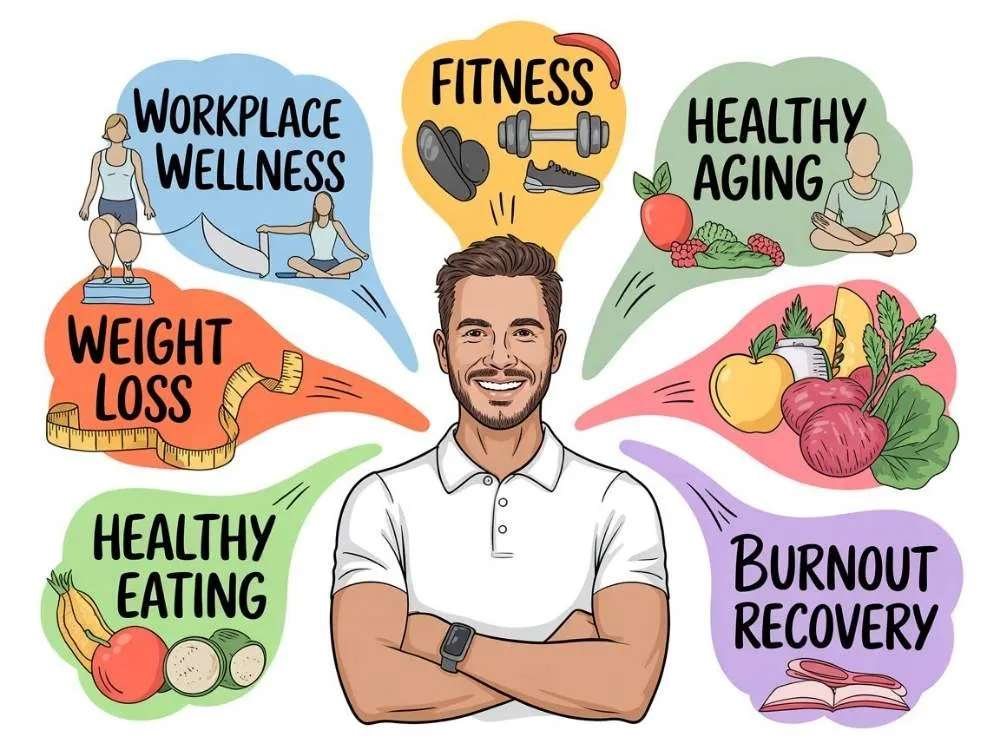
Some common wellness coaching niches:
- Weight loss and healthy eating
- Stress management
- Busy moms building healthier routines
- Workplace wellness
- Gut health and digestion
- Habit building
- Burnout recovery
- Healthy aging
- Fitness for beginners
Pick something that connects with your experience and interest. If you've been through your own health changes, that can shape your niche too. You can always narrow it down later as most people do.
Step 3: Set Up Your Business and Understand Your Scope of Practice
You have to set up your business once you have training and a niche.
Start with the basics:
- Choose a business name
- Decide how you want to work like online, in person, or both
- Create a simple website or booking page
- Open a separate business bank account
- Set up payment methods
- Use coaching agreements and intake forms
Know Your Scope of Practice
This is huge in wellness coaching. You're not a doctor or therapist unless you actually have those credentials. So always stay in your lane and help only with habits, routines, accountability and mindset building.
Moreover, if something's outside your expertise, just direct them to the right professional. That won't make you less helpful. It makes you trustworthy.
Step 4: Price Your Coaching Services
Pricing can feel awkward at first. Most new coaches either charge too little or make their offers way too confusing. Just keep it simple in the beginning.
Common Coaching Service Options
| Service Type | Typical Pricing | Time You'll Spend | How Easy to Scale | What You Need |
|---|---|---|---|---|
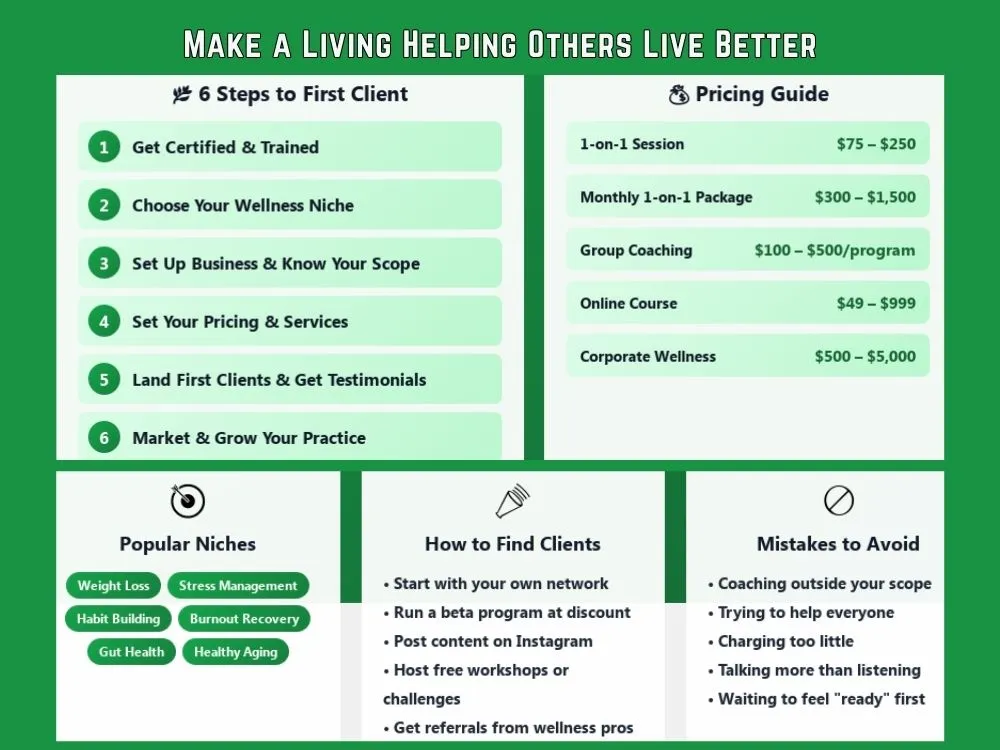
| 1-on-1 coaching | $75-$250 per session or $300-$1,500/month | High | Low to medium | Coaching package, intake forms, scheduling system |
| Group coaching | $20-$100 per person or $100-$500 per program | Medium | Medium to high | Group curriculum, Zoom account |
| Online courses | $49-$999+ | Low (after you build it) | High | Course platform, recorded content, sales page |
| Corporate wellness | $500-$5,000+ per contract | Medium to high | Medium | Workshop outline, presentation skills, business pitch |
| Workshops or retreats | $50-$500+ per person | Medium to high | Medium | Event plan, venue or virtual setup |
| Meal planning | $50-$300+ | Medium | Medium | Templates, clear disclaimers on scope |
| Fitness programming | $50-$300+ per plan or monthly | Medium | Medium | Fitness credentials, program templates |
1-on-1 coaching is usually the easiest place to start when you are new. It helps you build experience fast. Group coaching and digital offers often come later.
Step 5: Get Your First Clients
This part feels scary for almost everyone. A lot of new coaches think they need a huge audience before they can start. Not true because your first clients often come from people who already know you.
Start with:
- Friends and family who want support
- People in your network
- Social media followers
- Local communities
- Facebook groups
- Wellness communities
- Referrals from other professionals
You can also run a beta program at a discount while you build confidence and collect testimonials. Lots of coaches start this way.
Step 6: Deliver Transformative Coaching
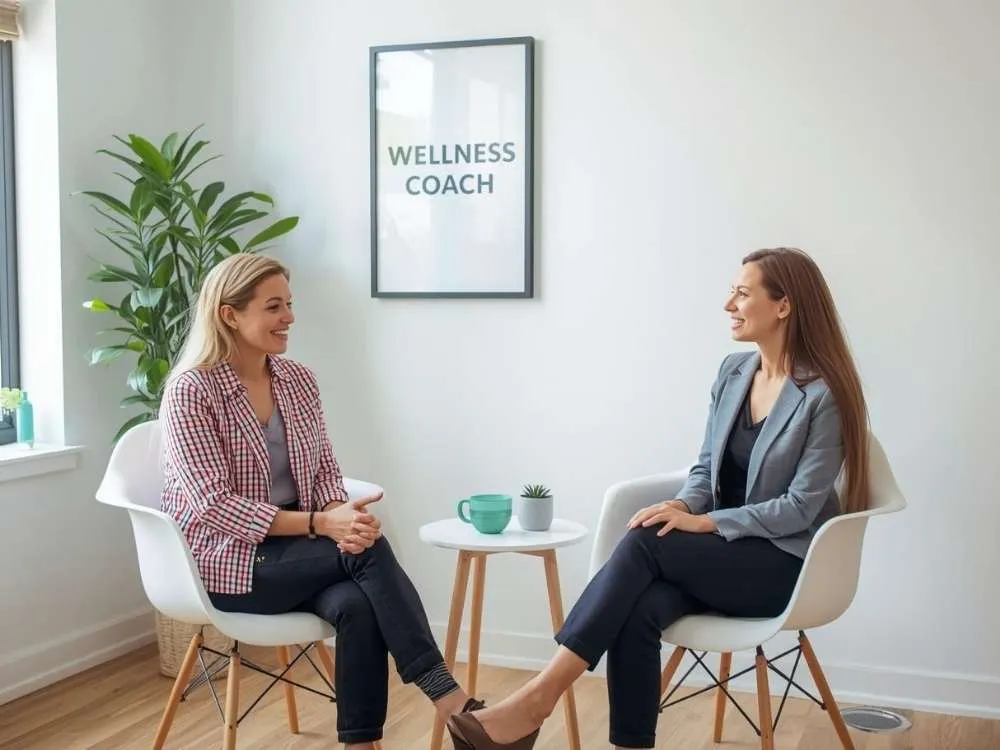
Good coaching isn't what sounds smart. It's about helping people actually make progress.
That means you need to:
- Listen more than you talk
- Ask questions that make people think
- Help them set goals they can realistically hit
- Keep them accountable between sessions
- Spot patterns they don't see themselves in
- Support them without judgment
Some clients need motivation. Others need structure and clear steps. Some are just drowning in conflicting health advice and need help.
Big changes come from small actions done over and over. Your job is to help clients stick with those actions long enough to see real results.
Step 7: Market and Grow Your Business
Marketing gets easier once you start getting results for clients. You have real stories and confidence in what you do.
Simple ways to market your coaching business:
- Post helpful content on Instagram or LinkedIn
- Write blog posts or emails
- Share client wins (with permission)
- Host free workshops or challenges
- Build an email list
- Network with gyms, therapists, and other wellness pros
- Ask happy clients for referrals
- Speak at local groups or online communities
Stick with one or two suitable ways. Add group programs or an online course when you're ready to grow. That way, you help more people without living on Zoom calls all day.
Common Health and Wellness Coaching Mistakes to Avoid
A lot of new coaches make the same mistakes early on. It's good to know them before you fall into them. Some common ones are:
- Trying to help everyone
- Coaching outside your scope
- Charging too little
- Talking too much and listening too little
- Copying other coaches instead of building your own style
- Posting content without a clear offer
- Making offers too complicated
- Waiting too long to start
Another big mistake is thinking you need to look perfectly polished before helping anyone. You don’t. You need training, honesty, clear boundaries, and a real desire to help people improve.
Wrapping Up
Becoming a health and wellness coach is doable. But it takes more than caring about health. You need real training, a clear focus, a simple business setup, and practice helping people. Start with a few clients. Learn what works. Adjust as you go. The experience you build matters more than a perfect plan.
FAQs
Q1: How long does it take to get certified?
Most programs take 3 to 6 months if you're doing it part-time. Some intensive programs finish in weeks. Others take a year.
Q2: Can I coach clients online or does it have to be in person?
You can do both. Most coaches work online through Zoom or phone calls. It's easier to start and you can work with clients anywhere. In-person works too if you prefer that or want to run local workshops.
Explore Related Posts
https://smarttoolsai.com/post/become-a-life-coach-and-start-your-own-business
https://smarttoolsai.com/post/how-to-start-a-photography-business
https://smarttoolsai.com/post/how-to-start-a-virtual-assistant-business