
How to Start Affiliate Marketing and Make Money
.webp)
Wanna make money online? Affiliate marketing is honestly one of the best ways to do this. You don't create products or handle complex customer service. You recommend things you believe in and earn a commission when someone buys through your link.
But that doesn't mean simple. You have to do many things in the backend. I like affiliate marketing because it removes so many barriers. No inventory to manage. No product creation stress. You just pick offers that match your audience and promote them in a way that feels natural.
Key Takeaways
- Know what affiliate marketing is and how it works.
- Find out how much people roughly make and see real examples of successful affiliates.
- Learn how to pick the best affiliate networks and programs that match your niche.
- Choose the right platform to promote your links based on your strengths.
- Avoid common mistakes that make beginners quit before they see results.
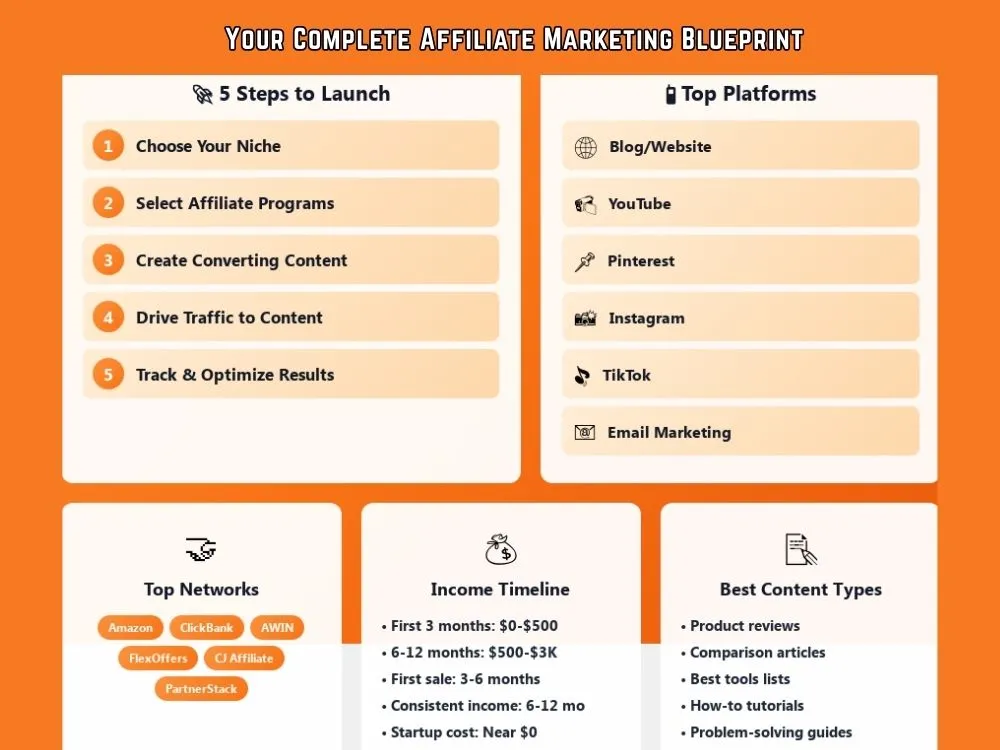
What is Affiliate Marketing and How Does It Work?
It means you promote other people's products or services, not yours. When someone buys through the link you share, you simply earn a commission.
Let's see how it usually works:
- You join an affiliate program
- You receive a special tracking link
- You share that link in your content
- Someone clicks the link
- They buy or complete an action
- You earn a commission
You don't create or ship anything. No inventory management hassles. You don't deal with refunds or angry customers. The company handles all those things.
Your job? Just create helpful content and add your affiliate links wherever they make sense. It's like recommending any product/service you actually use to solve a problem your audience has.
How Much Can I Really Make with Affiliate Marketing?
Everyone curious about this business asks this question. TBH, the income depends and not like many online gurus promise (it's not an overnight get-rich scheme).
Some people earn nothing for months while others get their first sale in a few weeks. A few dedicated ones turn it into serious money over time.
Most beginners make somewhere between $0 to $500 in the first few months. However, many hit $500 to $3,000 a month after working for six months to a year. Some make way more, but that honestly takes time and consistent effort.
Real Examples:
- Pat Flynn from Smart Passive Income makes over $100,000 a month. He promotes email tools and software he actually uses.
- Michelle from Making Sense of Cents earns more than $50,000 monthly. She focuses on finance products and courses.
- Adam Enfroy hit $80,000 a month within two years. He reviewed software and business tools on his blog.
- Then you have regular people nobody talks about. They make $500 to $3,000 a month promoting simple products from Amazon or niche products. Not flashy, but steady.
It starts slow but the income builds up if you stick with it and figure out what your audience needs. The real earnings vary based on many factors and these are rough estimates, not guarantees.
Best Affiliate Networks and Programs
You need real affiliate programs to promote before you pick a niche or start creating content. Affiliate networks are basically marketplaces that connect you with different brands offering commissions.
A quick overview of the most popular ones.
- Amazon Associates: Super easy for beginners. You can promote almost anything. Downside? Commissions are pretty low, usually 1 to 10 percent.
- AWIN: Tons of brands across different industries. Good middle ground for variety.
- ClickBank: Good for digital products like courses and ebooks. Commissions can hit 50% to 75%, which is huge.
- CJ Affiliate: Works with reputed brands. Great if you want to promote recognizable companies.
- Rakuten: Known for quality merchants. Takes a bit more effort to get approved.
- FlexOffers: Here's where we made some real money. So many options to choose and convenient.
- PartnerStack: This is ideal for people promoting software or SaaS tools. Recurring commissions are common here.
- Impact: Enterprise-level brands. Good for experienced affiliates with solid traffic.
- CPA Networks: You get paid for actions like email signups or form fills, not just sales. Can be easier to convert.
There are more networks available like JVZoo and Digistore24 that you can join. Also, some individual programs are listed on some reputed websites’ footers.
But our take is it’s meaningless to join more than 2 to 3 platforms since you can’t actually promote everything at once. Start slow and scale from there.
Quick Comparison:
Network | Commission Type | Typical Rates | Payment Terms | Min Payout | Best For |
|---|---|---|---|---|---|
| Amazon Associates | Per sale | 1% to 10% | Net 60 | $10 | Beginners, product reviews |
| AWIN | Per sale or lead | 5% to 30% | Bi-weekly | $20 | Wide variety of niches |
| ClickBank | Per sale | 40% to 75% | Weekly or bi-weekly | $10 | Digital products |
| CJ Affiliate | Per sale or lead | Varies | Net 20 | $50 | Big brands |
| Rakuten | Per sale | Varies | Net 60 | $50 | Premium merchants |
| FlexOffers | Per sale or lead | Varies | Net 60 | $25 | Mixed offers |
| PartnerStack | Recurring or per sale | 20% to 50% | Monthly | $5 | SaaS and software |
| Impact | Per sale or lead | Varies | Bi-weekly | $10 | Enterprise brands |
| CPA Networks | Per action | $1 to $50+ per lead | Varies | Varies | Lead generation |
Choose Your Affiliate Marketing Platform
If nobody sees your content, how will they buy via your links? You need somewhere to actually share your affiliate links. Some platforms are better for long-term growth. Some let you move fast but can be unpredictable.
1. Blog or Website
This is the best place for long-term traffic. Your content stays evergreen but the downside is that it takes so long to see real traction from SEO or AI search optimization.
- Startup cost: Low to start a blog (hosting and domain around $50/year)
- Time to income: 6 to 12 months
2. YouTube
People trust video reviews. You can show products in action. But filming and editing take serious time.
- Startup cost: Low (just a phone camera works)
- Time to income: 3 to 6 months
3. Pinterest
Great for evergreen traffic. Pins keep working for months. You just need to stay consistent with posting. It's not set-and-forget.
- Startup cost: Low (free to start)
- Time to income: 3 to 6 months
4. Instagram
Works well for lifestyle and visual niches. The catch? You can't add clickable links everywhere. You're stuck with link-in-bio or stories.
- Startup cost: Low (free)
- Time to income: 1 to 3 months
5. TikTok
Can go viral fast and reach tons of people quickly. But the traffic is hit or miss. One video pops, the next flops.
- Startup cost: Low (free)
- Time to income: 1 to 3 months
6. Email Marketing
Highest conversion rates by far. The problem? You need to build your list first, which takes effort upfront.
- Startup cost: Low to medium ($10 to $30/month for email tools)
- Time to income: 3 to 6 months
There are other options like paid ads or influencer partnerships. But those need experience and budget. You have to pick one platform and get good at it before jumping to another or investing in ads. Spreading yourself thin across everything rarely works.
Step 1: Choose Your Niche
Your niche is simply what you talk about. That's it.
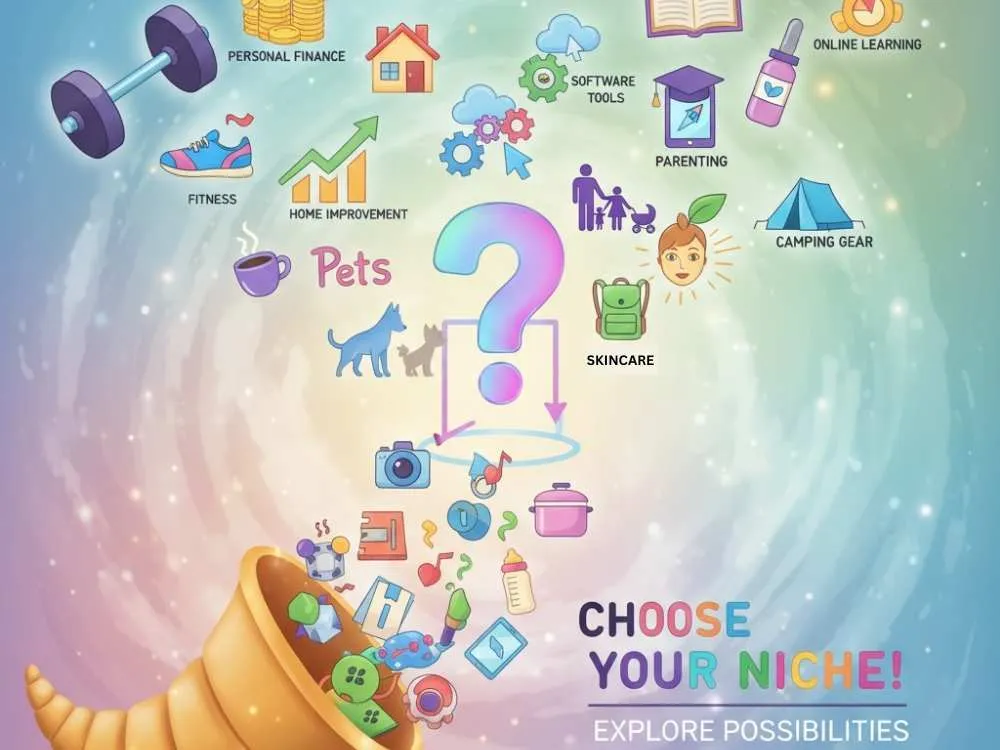
Good niches usually:
- Solve real problems people are searching for.
- Have buyers, not just browsers.
- Let you recommend multiple products over time.
Some solid examples are fitness, personal finance, home improvement, pets, software tools, online learning, parenting, skincare, camping gear, or any other.
Don't pick a niche just because the commissions are high. You'll quit if you aren't good at it. So pick something you can actually talk about consistently without wanting to pull your hair out.
Step 2: Select Affiliate Programs to Join
Find good programs for your niche that fit what you're talking about.
Check:
- Commission rates - How much you actually earn per sale
- Cookie duration - How long your link stays active (30 days is decent, 60+ is better)
- Brand reputation - Don't promote sketchy companies just for a quick buck
- Refund rates - High refunds mean lower actual earnings
Here's something important. Test products yourself when you can. Promoting stuff you've never used and wouldn't personally buy impacts your credibility fast. People can smell when you're just chasing commissions.
If you can't afford to buy something, at least do deep research. Read reviews or watch videos. Know what you're recommending because honesty is important.
Step 3: Create Content That Converts
Affiliate marketing only works if your content actually helps people. No fluff. No clickbait. Just useful stuff.
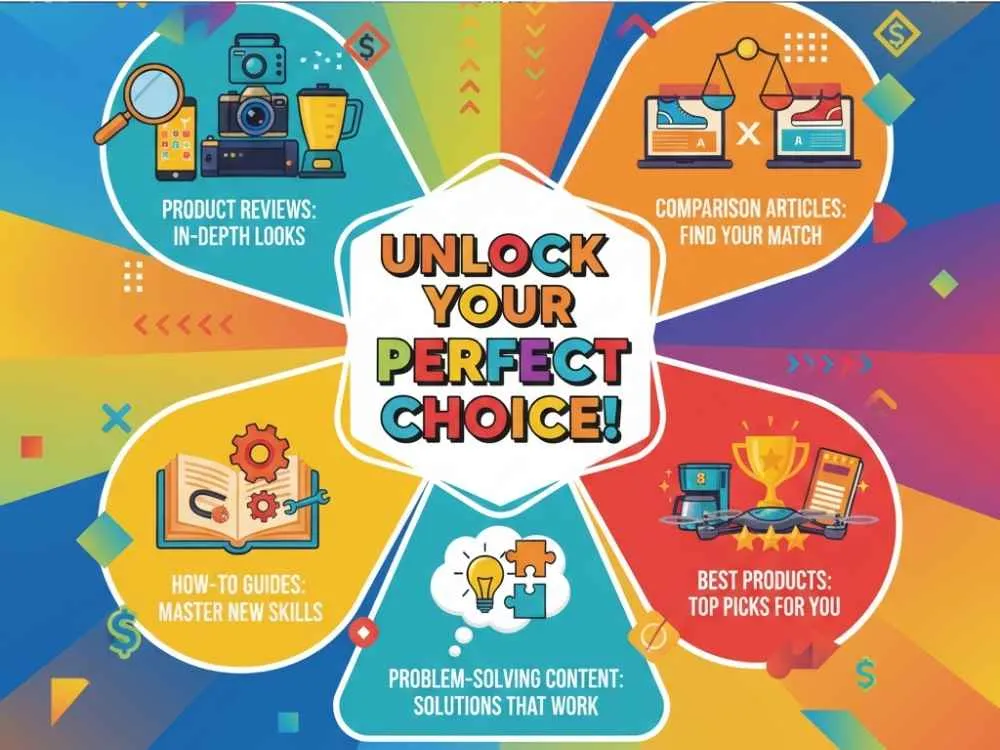
A) Content Types That Drive Affiliate Sales
Some formats work way better than others:
- Product reviews with honest breakdowns of what works and what doesn't.
- Comparison articles like product A vs product B for people deciding between options.
- Best tools or best products lists. For example, the best budget laptops for students.
- Tutorials and how-to guides like how to invest money with Robinhood.
- Problem-solving content that answers the questions people search for.
These content types work well because people searching for this stuff are usually close to buying. They just need the final push.
B) How to Add Affiliate Links Naturally
Drop your links where they actually make sense without cluttering. Don't turn every sentence into a sales pitch. That's annoying and obvious. You have to properly explain why you recommend something and share what you like about it. Be honest about the downsides too.
Step 4: Drive Traffic to Your Affiliate Content
This is where most people struggle. You can have great content. However, you make nothing if nobody sees it. Traffic is everything.
Here's what works for each platform:
- For blogs - Focus on search traffic and basic SEO. Target keywords people actually search for.
- For YouTube - Use clear titles and helpful demonstrations. Show the product in action.
- For Pinterest - Create clean and simple pins. Use readable text overlays that explain what people will get.
- For TikTok and Instagram - Short videos win. Get to the point fast. Hook people in the first 3 seconds or they scroll.
- For email newsletters - This is honestly the best long-term strategy. Build an email list that contains people who trust you. Send helpful content regularly with relevant affiliate recommendations. Email converts better than any other platform because people already know you.
But one thing you should always remember. Even if you drive tons of traffic, your content needs to be ethical and honest. Don't spam or promote useless stuff just to manipulate people. That won't work long term.
Maintain your credibility. Share something genuinely helpful. When people trust you, conversions happen naturally.
Step 5: Track and Optimize Your Results
This is a crucial step. You have to check your numbers regularly using the reporting tools in your affiliate dashboards.
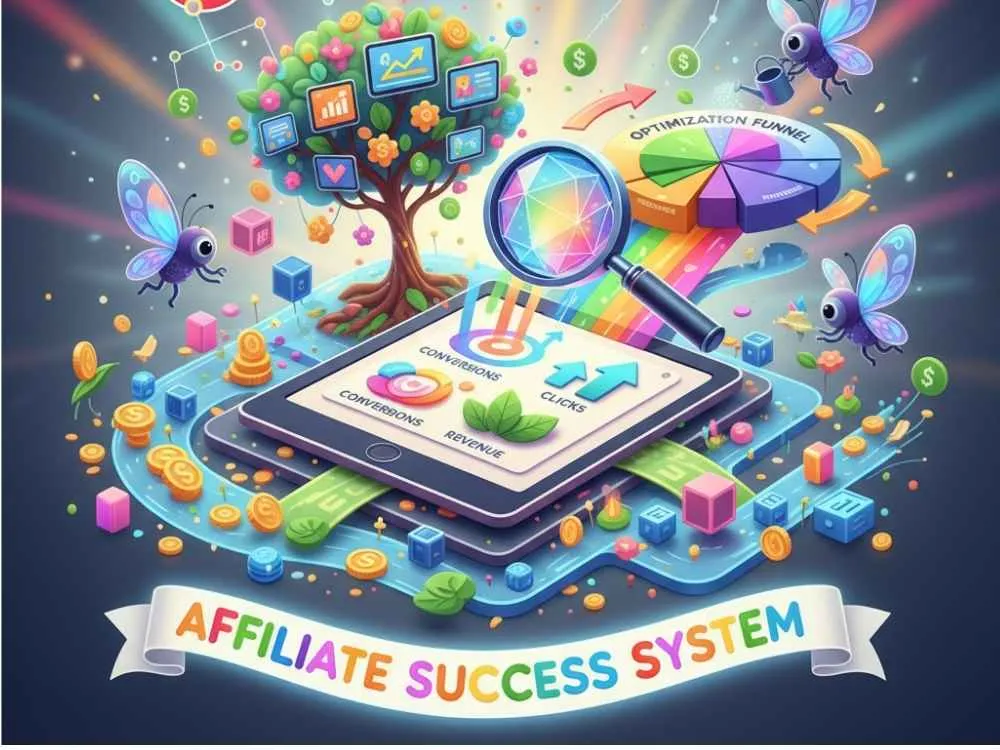
Pay attention to:
- Which pages generate clicks - These are your winners. Double down on similar content.
- Which links actually convert - Clicks don't matter if nobody buys. Focus on what closes sales.
- Which content brings traffic - More traffic to converting content equals more money.
Once you get to know what's working, do more similar content. Update your best-performing articles and videos every few months. Keep them fresh and replace products that stopped converting or have been discontinued. Test different calls to action and try new content formats.
Common Affiliate Marketing Mistakes to Avoid
Beginners jump in without a plan and wonder why nothing works. Some common mistakes you should avoid:
- Joining too many programs and never finishing content for any of them.
- Promoting products you've never used or researched properly.
- Writing like a salesperson instead of a helpful friend.
- Quitting after two months when traffic hasn't exploded yet.
- Copying other people's reviews word for word.
- Ignoring what your analytics tell you about what's working.
- Spreading yourself across five platforms instead of mastering one.
Pick one platform. Focus on one or two niches. Promote products you actually believe in and track what works.
You don't need a massive strategy. You need consistency. Most people who fail simply quit too early. The ones making money are those stuck around long enough to figure it out.
Wrapping Up
Affiliate marketing is a solid way to earn online passively. You can start small without a huge upfront cost and grow it over time. It only takes patience to build traffic and figure out what really converts. Pick one platform and stay consistent. Don't quit early because your first commission will prove it works. Build from there.
FAQs
Q1: Can I start affiliate marketing without money?
Yes you can when you use free platforms to get traffic. This includes Pinterest, YouTube, TikTok, or Instagram.
Q2: Do I need a website for affiliate marketing?
No but it's recommended. You can promote through free traffic sources. But a website works better because it helps you build an email list and own your audience. That gives you control and long-term traffic.
Q3: How long does it take to make money with affiliate marketing?
Beginners see their first commission within 3-6 months. Some take less or more. Building a consistent income takes at least 6 to 12 months of regular content creation. Be hopeful and grind towards your goals.
Explore Related Posts
https://smarttoolsai.com/post/how-to-start-a-shopify-store
https://smarttoolsai.com/post/how-to-start-dropshipping
https://smarttoolsai.com/post/how-to-start-a-print-on-demand-business